

If you want more local enquiries, a Google Business Profile for DJs is one of the most useful free tools you can use. When someone searches for a DJ in London, Manchester, Birmingham, Leeds, Bristol, Cardiff, Glasgow, Liverpool, Nottingham, Leicester, Coventry, or across the Midlands, a complete profile can help you appear in relevant local results.
For working DJs, this is not about chasing algorithms for the sake of it. It is about making it easier for genuine customers to find you, understand what you offer, and decide whether to contact you. That fits neatly with NADJ’s wider aim of supporting professionalism, visibility and good practice across the UK DJ industry.
Why Google Business Profile matters for DJs
Many customers now search in a very direct way: “wedding DJ near me”, “mobile DJ Manchester”, or “children’s party DJ in Birmingham”. A Google Business Profile can help you show up in map results and local listings, especially if your website, directory listings and profile information are consistent.
This is particularly useful if you work across a defined area in England, Scotland, Wales or Northern Ireland. Even if you travel widely, Google still needs a clear picture of where you are based and where you operate most often.
It is worth noting that Google’s visibility rules change, and no profile can guarantee rankings. However, a properly completed listing gives you the best chance of being found by local customers.
Step 1: Create or claim your profile
Start by signing in to Google with a business email address. Search for your business name and see whether a profile already exists. If it does, you may be able to claim it. If not, create a new one.
Use your real trading name. Avoid stuffing it with keywords such as “Best DJ in Leeds Cheap Wedding Disco” because that can look unprofessional and may not align with Google’s guidelines. A clean, genuine business name is the safer and better long-term choice.
Step 2: Enter accurate business details
Your core information should be consistent everywhere you appear online, including your website, social media, and any directory profiles such as the NADJ directory. Consistency helps both customers and search engines.
What to include
- Your business name
- Your main phone number
- Your website URL, if you have one
- Your service areas
- Your opening hours or enquiry times
- Your business description
If you do not welcome customers at a studio or office, choose the service-area model where appropriate. Many mobile DJs work from home and travel to venues, so you may not want your home address visible. Check the current Google setup options carefully before publishing.
Step 3: Choose the right categories
Categories tell Google what you do. Pick the main category that best fits your core service, then add a few relevant secondary categories if they genuinely apply.
For a DJ, the primary category might be something like “DJ service” if available in your setup. From there, you can reflect broader event work through your description, services and photos. Do not overdo it. Too many loosely related categories can dilute the profile and confuse customers.
Step 4: Write a useful business description
Your description should be short, clear and customer-focused. Explain who you serve, what events you cover, and the regions you work in. Mention your specialisms if relevant, such as weddings, birthdays, corporate events, school proms, or themed nights.
For example, you might cover the Midlands, London, the North West, or specific cities such as Nottingham, Coventry, Liverpool or Glasgow. Keep it factual and avoid exaggerated claims. If you mention services like lighting, smoke effects or specific music formats, make sure they reflect what you genuinely provide.
Step 5: Add photos that show real work
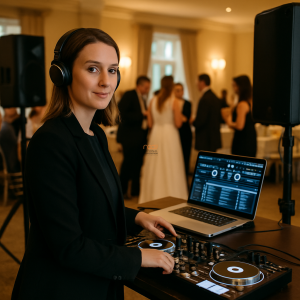
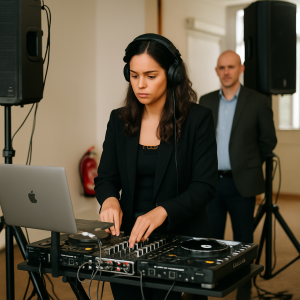
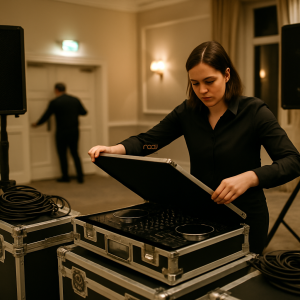
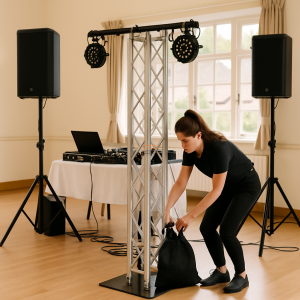
Good images matter. Upload clear, recent photos of your setup, booth, lighting, sound system, and live events where you have permission to share them. A strong photo set helps potential customers understand your standard of presentation.
Try to include a mix of:
- your finished setup
- action shots from events
- venue-safe wide shots
- your branding or uniform, if used
Use high-quality images, but avoid heavy filters or stock-looking pictures. Authenticity usually performs better than overproduction.
Step 6: List your services and features
Google allows you to add services and business attributes. For DJs, this is a chance to explain what you actually offer. You might include wedding DJ services, mobile disco hire, karaoke, children’s parties, corporate entertainment, or club work where relevant.
Be accurate. If you do not provide a service, leave it out. Clear information reduces wasted enquiries and helps you attract better-fit bookings.
Step 7: Use reviews responsibly
Reviews can support trust, but they should always come from real customers and be requested in a fair, non-pressured way. Encourage honest feedback after an event. Do not offer incentives for reviews if that conflicts with platform rules or your own professional standards.
Reply politely to reviews, whether positive or negative. A calm, professional response can reassure future customers more than a perfect five-star profile alone.
Step 8: Keep your profile active
A Google Business Profile is not a one-time task. Update it when your phone number, service areas, website or opening hours change. Add fresh photos from time to time and make sure your profile reflects your current work.
You can also link to useful pages on your own site, such as booking information, equipment details or FAQs. If you are a NADJ member, linking to your profile in the NADJ directory can help reinforce your professional presence. For members looking to compare options, the membership tiers explained page is not the correct URL; use the actual membership information at membership tiers explained.
Link it with the rest of your online presence
Google Business Profile works best when it is part of a wider, joined-up approach. That includes a good website, a clear social presence, and membership or industry listings where appropriate. NADJ’s hub at hub.nadj.org.uk is a useful reminder that professional development, resources and industry support all matter alongside marketing.
If you are also looking for more opportunities, the gig listings area may be worth checking. While local discovery is important, so is keeping an eye on wider work opportunities and industry activity.
Final thoughts
Setting up a Google Business Profile properly is a sensible step for any DJ who wants to be found locally. It will not replace good service, strong referrals or a solid reputation, but it can make your business easier to discover at the exact moment a customer is ready to enquire.
As with insurance, licensing, and other professional matters, always check the latest live guidance where relevant. For example, if your profile encourages more public bookings, make sure your wider business setup is in order and that your public liability cover and working practices are appropriate to the events you take on. NADJ’s guidance on DJ public liability insurance may be a useful starting point.
If you want to build a stronger profile as a DJ in the UK, start with the basics: accurate details, real photos, honest wording and regular updates. Done well, your Google Business Profile becomes a practical part of how customers find you in your local area and beyond.
For more NADJ content that supports professional DJ practice and industry identity, see also our piece on Annie Mac and the UK DJ dancefloor.
DMX Lighting Software for DJs: The Complete Guide | Introducing the NADJ Power Planner — Know Your Load Before You Plug In





 Avtar Thethy
 Fabio Capozzi
 Alastair Craig
 Dave Mills