
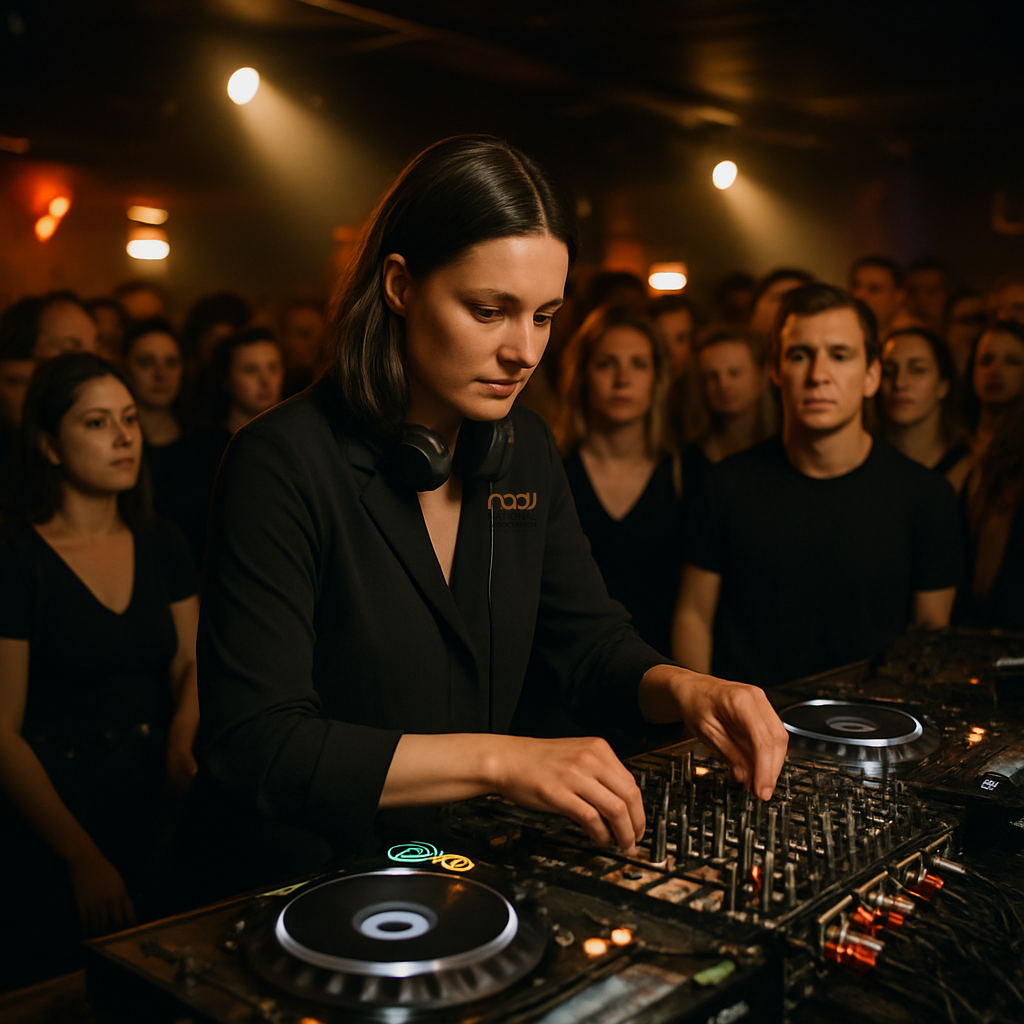
The Amelie Lens ADE party at Amsterdam’s Skatecafé is another sign that Amsterdam Dance Event remains one of the most important dates in the electronic music calendar. DJ Mag’s ADE takeover will see the Belgian techno artist headline the bill, with ANNĒ and DRKNGHTS also on the line-up for the special event.
For UK DJs, this is more than just a headline announcement. ADE is one of the clearest examples of how reputation, programming, and scene visibility still intersect across club culture. Whether you work in London, Manchester, Birmingham, Leeds, Bristol, Cardiff, Glasgow, Liverpool, Nottingham, Leicester or Coventry, the practical lesson is the same: industry moments like this help set the tone for bookings, discovery, and career positioning over the months that follow.
Why this ADE booking matters to working DJs
Amelie Lens is a major international name, so a party built around her appearance will naturally attract attention from promoters, agents, media, and artists attending ADE. That matters because events like this function as industry signals. They show which styles are currently drawing audience interest, which venues are trusted to host serious dance music crowds, and how carefully curated line-ups are still used to build momentum around an event.
For working DJs, the message is straightforward: strong programming still counts. A credible line-up can help a night cut through a crowded calendar, especially during a week when Amsterdam is full of showcases, label parties, networking sessions, and late-night club events. The same principle applies in the UK, whether you are promoting an underground room in the Midlands or a one-off showcase in a major city centre.
What DJs can learn from the Skatecafé event
1. Build a clear identity
Events that stand out at ADE usually have a defined sound, audience, and purpose. That does not mean every DJ needs to specialise narrowly. It does mean that your marketing, set selection, and online presence should make it easy for bookers to understand what you offer.
If you play across wedding, private event, or corporate work, consistency in presentation matters just as much as it does for club DJs. A clear profile helps potential clients and promoters understand where you fit. NADJ members looking to sharpen that positioning may also find it useful to review practical gear considerations, such as our guide to DJ mixers for mobile wedding DJs, which can help when choosing kit for different types of work.
2. Treat networking as part of the job
ADE is famous for meetings, introductions, and informal conversations that lead to future opportunities. That is relevant even if you are not travelling to Amsterdam. In the UK, the same approach applies at showcase nights, trade events, and local club gatherings in cities such as London, Manchester, Birmingham, Leeds, Bristol, Cardiff, Glasgow, Liverpool, Nottingham, Leicester and Coventry.
Good networking is not about hard selling. It is about being prepared, professional, and easy to work with. Carry updated contact details, keep your social profiles current, and make sure your press information reflects the kind of work you actually want.
3. Think about the audience experience
Headliner-led events often succeed because they are designed around momentum: a strong warm-up, a clear peak-time slot, and a venue that suits the music. That is a useful reminder for DJs at all levels. The way a set is framed can matter as much as the track selection itself.
If you are playing live or on a regular basis, reliable systems, clear communication with promoters, and sensible preparation all contribute to a better result. NADJ’s wider guidance and member resources on the NADJ Hub can be helpful for keeping on top of professional practice, while the NADJ directory can assist DJs and clients looking to connect with established services.
What this means for UK club DJs and mobile DJs
Although the event is taking place in Amsterdam, the lessons travel well. UK DJs often operate across club, wedding, corporate, and private event settings, and the same fundamentals apply in all of them: strong branding, clear pricing, dependable kit, and a professional approach to communication.
For mobile DJs especially, industry attention on large-scale club events can be useful when reviewing your own offer. The pace, polish, and consistency expected from high-profile parties often shape client expectations elsewhere. If you are updating your business structure or considering the practical differences between support options, it may also be worth looking at membership tiers explained to understand the benefits of different levels of NADJ membership.
Likewise, if you are seeking opportunities or want to keep an eye on available work, the gig listings section is a useful place to check for current activity. Availability changes regularly, so it is sensible to review live listings rather than assume they remain current.
Professional checks still matter
Whenever a party of this scale is discussed, it is worth remembering that professional DJs should always confirm the operational basics before accepting or promoting work. That includes access times, equipment expectations, setup restrictions, payment terms, and any venue-specific requirements. If public liability insurance is relevant to your work, make sure you check the live policy wording and requirements carefully. For a general overview, see DJ public liability insurance UK.
Similarly, if you work through a business and need a better understanding of the wider support ecosystem, the NADJ and NADJ Media Ltd platforms are there to help DJs with professional information, resources, and industry connections. You can also visit NADJ for the main association site.
Ade remains a barometer for the scene
The Amelie Lens DJ Mag Presents party at Skatecafé is not just another date on a packed calendar. It is part of a wider picture that shows how club culture still relies on trusted names, well-judged programming, and strong venue partnerships. For working DJs in the UK, that is a reminder to keep standards high, keep learning, and keep your public profile aligned with the work you want to do.
Whether you are a club resident, an open-format DJ, or a mobile DJ building your business across the UK, major events like ADE are worth watching closely. They can offer ideas for presentation, structure, and audience engagement that remain relevant long after the party ends.
AI transparency note
NADJ uses artificial intelligence as an editorial assistant. Articles produced through this publisher begin with a human-selected idea, source, brief or editorial direction, and AI may be used to research, structure, draft or improve the wording. AI does not set NADJ editorial policy or operate free-range: people acting for NADJ set the instructions and publishing framework, monitor the output and retain editorial responsibility.
Images used by NADJ may include stock photography or AI-generated visuals where appropriate. NADJ is volunteer-led and editorial time is limited; much of our available time is currently absorbed by governance and management, a substantial data audit and membership-system transfer, and planning 12 Tea & Test days across the UK. You can help strengthen member-led content by sending article ideas or completed submissions to hello@nadj.org.uk.







 Avtar Thethy
 Fabio Capozzi
 Alastair Craig
 Dave Mills