
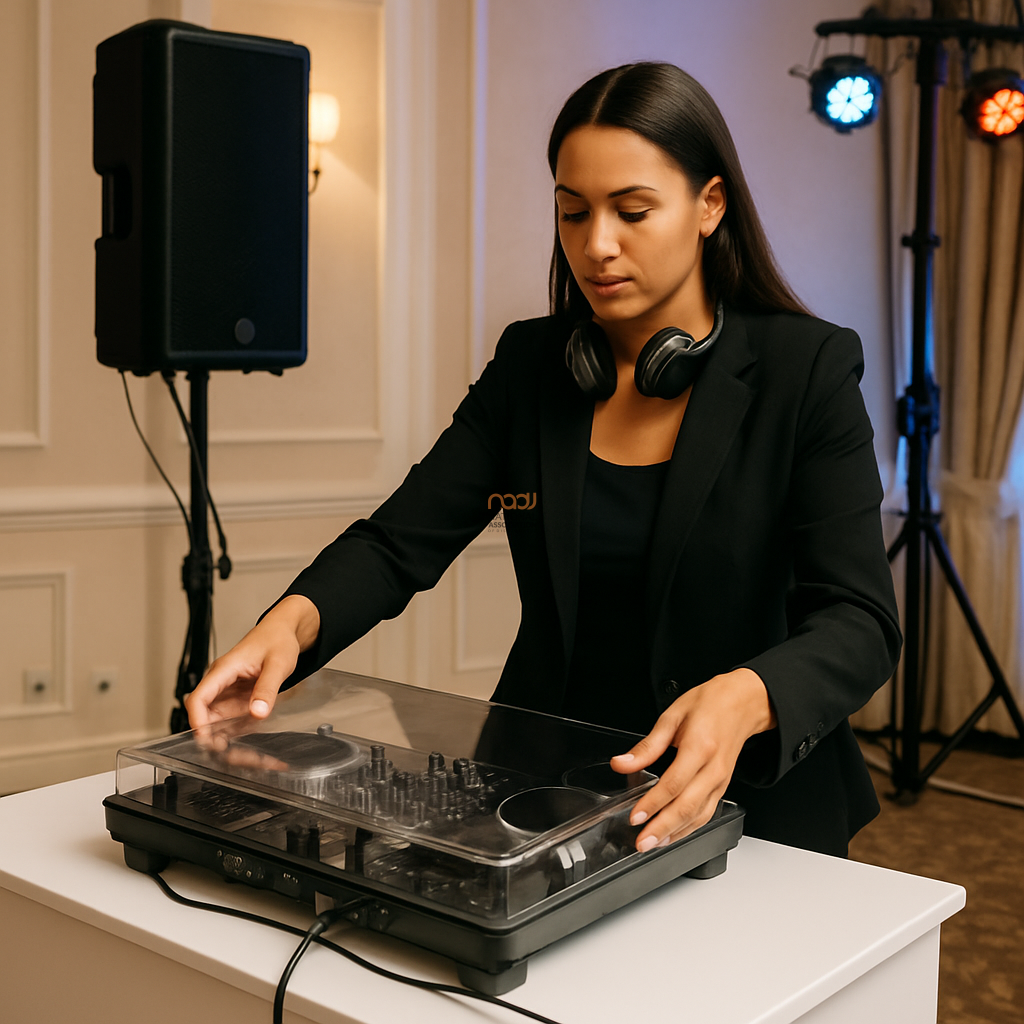
Decksaver covers review is a topic that comes up repeatedly among working DJs, and for good reason. If you transport mixers, controllers, media players or synths between home, venue and storage, a hard cover looks like a simple way to reduce dust, knocks and accidental spills. But it also introduces one more item to pack, carry and remember. For many UK DJs, that trade-off is the real story.
This is a specification-led editorial review rather than a hands-on test. We have not claimed to use, own or measure the product in question. Instead, we are looking at what Decksaver-style covers are designed to do, which DJs they suit, and where they may not be worth the extra load.
What a Decksaver cover is meant to do
Decksaver manufactures rigid, clear covers shaped to fit specific pieces of DJ and music equipment. The main idea is straightforward: once your kit is set up, a fitted cover can help shield controls, screens and jog wheels from dust, drink splashes, fingerprints and light impact during downtime. That makes them especially relevant for working environments where gear is left in place for long periods.
In practical terms, they are aimed at protecting the vulnerable top surfaces of equipment rather than replacing flight cases or proper transport bags. A cover is a quick-fit shield, not a complete case. That distinction matters if you work regularly in venues across England, Scotland, Wales or Northern Ireland, or move equipment between home studios and event spaces in places such as London, Manchester, Birmingham, Leeds, Bristol, Cardiff, Glasgow, Liverpool, Nottingham, Leicester and Coventry.
Where they make sense for DJs
For mobile DJs, the strongest case is usually convenience after setup. If your controller or mixer sits on a stand, booth or table at weddings, corporate events or private parties, a fitted cover can buy peace of mind during breaks, room resets and packed dancefloor moments. The same applies to resident DJs in bars and clubs, especially where drinks, dust and general handling are part of the environment.
They can also be useful for home studios. If your controller lives permanently on a desk, a cover may help keep faders, buttons and jog wheels cleaner between sessions. That may sound minor, but anyone who regularly clears dust from equipment will understand the value of a simple barrier.
For DJs building a reliable kit, protection is only one part of the picture. If you are also reviewing your wider setup, it may be worth looking at other essentials such as professional DJ headphones, or making sure you are working within a solid business framework such as DJ public liability insurance guidance and the right membership tier for your level of activity.
The practical downsides
The obvious downside is that a cover is another physical item. If you already carry speakers, lighting, stands, cables, cases and emergency spares, even a lightweight accessory can become one more thing to remember at call time. That matters most for solo operators, especially those doing back-to-back bookings or working without a roadie.
There is also the question of space. Some covers are designed to sit on the equipment when it is in use, while others are intended mainly for storage and transport. If your booth is cramped, a rigid cover may get in the way when you are moving quickly between tracks, cue points or requests. In smaller venues, particularly where the DJ area is limited, the physical footprint can be a real consideration.
Cost is another factor. While Decksaver products are often seen as a sensible purchase, they are still an additional expense on top of the gear they protect. Not every DJ will see the return immediately. If you are a hobbyist or occasional private-event DJ, that money might be better spent elsewhere, perhaps on better cabling, a more robust gig bag or a spare USB drive.
Who is most likely to benefit
In our view, the best fit is for DJs and producers who use identifiable, fixed hardware that stays in regular circulation: controllers, mixers, media players, compact synths and studio gear. If your equipment is relatively expensive, has exposed controls, and spends a lot of time out of its case, the logic is clear.
Decksaver covers are also a sensible option for shared spaces. If your kit is used by multiple people in a rehearsal room, education setting or venue-backed studio, a hard cover may help reduce everyday wear and accidental contact. That said, the more frequently equipment is packed away between jobs, the less obvious the benefit becomes compared with a proper padded case.
For DJs who work across the UK’s live circuit, from wedding hotels in the Midlands to clubs in Leeds, Glasgow or Birmingham, the decision often comes down to workflow. If the cover speeds up setup protection without slowing down pack-down, it earns its place. If it becomes an awkward extra step, it risks being left behind.
What to check before you buy
Before committing, make sure the cover matches your exact model and revision. DJ gear may look similar across product lines, but slight changes in dimensions, knob height or connector placement can affect fit. Check manufacturer compatibility carefully and do not assume a near match will work.
It is also worth thinking about your own load-in routine. Ask yourself whether you need protection mainly in transit, during storage, or while the gear is live in the venue. That answer will determine whether a fitted cover, padded bag, hard case or simple dust cloth is the better choice. In some situations, a full case is still the more practical option, particularly for touring or frequent van transport.
If you want a broader way to stay connected with the industry, NADJ members can also explore the DJ directory, the gig listings and the wider NADJ hub for resources, opportunities and professional support.
Verdict: useful, but not essential for everyone
Our balanced view is that Decksaver covers are genuinely useful for the right DJ, but they are not a universal must-have. They make most sense when equipment remains in frequent use, is exposed on desks or booths, and needs a quick layer of day-to-day protection. In those cases, they can be a tidy, practical addition.
However, if you are constantly on the move, carry a lot of gear, or already protect your equipment in robust cases, a cover may feel like one item too many. For many working DJs, the best answer is not whether Decksaver is good or bad, but whether it fits the way you actually work.
As with most DJ purchases, the smart approach is to match the accessory to the job, not the other way round. If you are still building your setup or refining your business, NADJ’s role is to support professional DJs across the UK, including those shaping their careers through services and resources via NADJ.
AI transparency note
NADJ uses artificial intelligence as an editorial assistant. Articles produced through this publisher begin with a human-selected idea, source, brief or editorial direction, and AI may be used to research, structure, draft or improve the wording. AI does not set NADJ editorial policy or operate free-range: people acting for NADJ set the instructions and publishing framework, monitor the output and retain editorial responsibility.
Images used by NADJ may include stock photography or AI-generated visuals where appropriate. NADJ is volunteer-led and editorial time is limited; much of our available time is currently absorbed by governance and management, a substantial data audit and membership-system transfer, and planning 12 Tea & Test days across the UK. You can help strengthen member-led content by sending article ideas or completed submissions to hello@nadj.org.uk.









 Avtar Thethy
 Fabio Capozzi
 Alastair Craig
 Dave Mills