
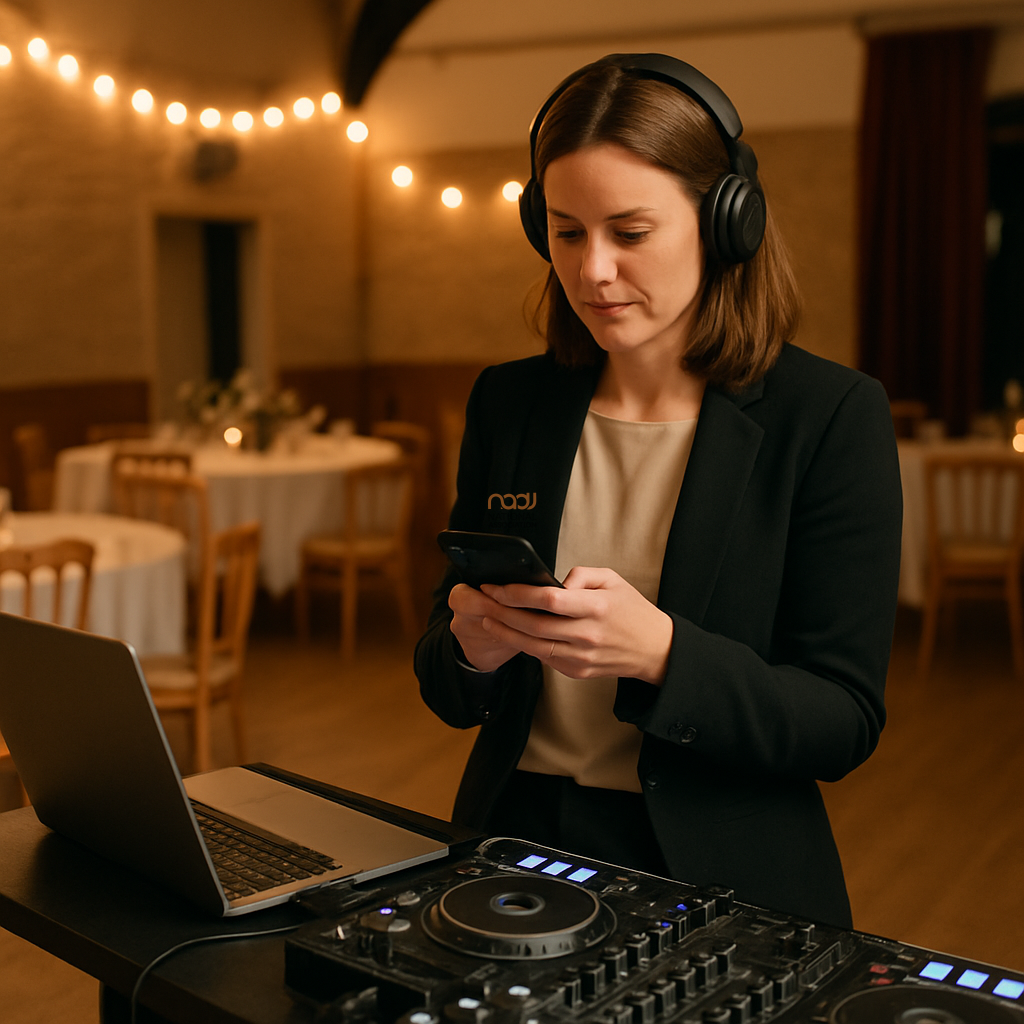
If you are building a DJ business in the UK, DJ reviews can help potential clients decide whether to book you. The challenge is not whether to ask for them, but how to ask in a way that feels natural, professional and respectful of people’s time.
This matters because reviews are not just “nice to have”. They can support your reputation, strengthen your enquiries and help you stand out in competitive areas such as London, Manchester, Birmingham, Leeds, Bristol, Cardiff, Glasgow, Liverpool, Nottingham, Leicester and Coventry. They also matter across the wider UK market, from mobile weddings in England to community events in Scotland, Wales and Northern Ireland.
If you are looking at the bigger picture of building a long-term business, you may also find our cornerstone guide useful: How DJs Can Build a Sustainable Small Business. This article zooms in on one part of that process: getting reviews without becoming that person who keeps asking.
Why DJ reviews matter so much
For many clients, especially first-time bookers, reviews act as a trust signal. They want reassurance that you turn up on time, communicate clearly, set up professionally and deliver the kind of night they expect. Reviews can also help you identify patterns in your service. If multiple clients mention your punctuality, music selection or crowd reading, that is useful evidence of what you do well.
That said, a review is not a legal guarantee of future performance. It is simply one part of your marketing mix. Strong photos, clear packages, sensible pricing and a proper booking process all matter too.
Ask at the right moment
The timing of the request is often more important than the wording. Ask too early and the client has not experienced your service yet. Ask too late and they may have forgotten the details or moved on.
A sensible approach is to ask shortly after the event, once the client has had a chance to reflect. For weddings and larger private events, the day after or within a few days is often appropriate. For repeat customers or venue clients, the timing may be slightly different depending on your working relationship.
What you want is a moment when the event is still fresh, but the client is not under pressure. That balance tends to produce better responses.
Make it easy to say yes
People are far more likely to leave a review if the process is simple. Do not make them search through old messages or guess where to post it. Instead, send one clear message with a direct link to the platform you want them to use, whether that is your Google Business Profile, Facebook page or a listing on a relevant directory.
If you do not yet have a robust online presence, the NADJ directory can be a useful place to strengthen visibility, while the NADJ Hub offers further resources for members and working DJs. You can also look at the gig listings area for opportunities and industry context.
Remember: the fewer steps someone has to take, the more likely they are to follow through.
Use a polite, low-pressure message
Your request should sound human. Avoid sounding automated or desperate. A short, courteous message is usually enough. For example:
“Thanks again for booking me for your event. I really enjoyed being part of it. If you have a minute, I would appreciate a short review about your experience. It helps small businesses like mine and it also helps future clients know what to expect. Here is the link if you would like to leave one.”
This kind of message works because it is specific, appreciative and optional. There is no guilt trip, no hard sell and no repeated nagging.
Be clear about what kind of feedback you want
Some clients do not know what to say in a review, so give them a little direction. You do not need to script the words, but you can suggest a few areas they may want to mention:
- How easy you were to deal with before the event
- Whether you arrived and set up as expected
- How well you read the room or followed the brief
- Whether guests or attendees enjoyed themselves
- Whether they would book you again
This is especially useful for first reviews, where the client may simply need a prompt to get started.
Do not chase repeatedly
There is a fine line between a polite reminder and becoming annoying. One follow-up message is reasonable if you have not had a response. After that, leave it alone unless the client has already expressed a strong intention to help.
Repeated messages can damage goodwill, and goodwill matters in an industry where referrals and repeat bookings are valuable. A quiet, professional approach usually serves you better over time than pushing for a response.
Ask the right people first
Your first reviews do not need to come from the biggest event you have ever played. In fact, it can be easier to start with people who already know your work and have had a smooth experience with you. That might include local venues, repeat private clients, community organisers, or event hosts who value clear communication.
If you work across multiple areas, ask yourself which bookings are most likely to produce detailed feedback. A well-run event in Birmingham may produce a stronger review than a higher-profile booking where the client was too busy to respond. Quality matters more than status.
Should you offer an incentive?
Be cautious here. Some review platforms have rules about incentivised feedback, and you should always check the live terms of the site you are using. In general, it is safer to ask for honest reviews without offering payment, discounts or gifts in exchange.
If you want to show appreciation, do it in a way that does not depend on the content of the review. For example, a genuine thank-you message after the review is left is appropriate. Any incentive arrangement should be considered carefully and checked against platform rules and current guidance.
Build reviews into your process
The best way to get reviews consistently is to treat them as part of your booking workflow. That means planning for them in advance rather than remembering at the last minute. Add a reminder to your post-event admin, keep a ready-made message template, and make sure your link is easy to find on your website or social profile.
If you are also thinking about other basics of working professionally, including public liability cover, it is worth reviewing practical guidance such as DJ public liability insurance in the UK. Depending on the venue or client, you may be asked for evidence of cover. Requirements can vary, so always check live details and venue terms before each event.
You can also compare membership support options via Membership Tiers Explained and explore the wider industry presence of NADJ Media Ltd for services that support working DJs.
Final thought
Getting your first DJ reviews is not about being persistent for the sake of it. It is about making a respectful request, at the right time, with the least possible friction. If you keep your message brief, helpful and professional, you will usually get better results and protect the relationship at the same time.
That approach supports the long-term business mindset behind every sustainable DJ career: deliver good service, communicate well and make it easy for satisfied clients to recommend you.
AI transparency note
NADJ uses artificial intelligence as an editorial assistant. Articles produced through this publisher begin with a human-selected idea, source, brief or editorial direction, and AI may be used to research, structure, draft or improve the wording. AI does not set NADJ editorial policy or operate free-range: people acting for NADJ set the instructions and publishing framework, monitor the output and retain editorial responsibility.
Images used by NADJ may include stock photography or AI-generated visuals where appropriate. NADJ is volunteer-led and editorial time is limited; much of our available time is currently absorbed by governance and management, a substantial data audit and membership-system transfer, and planning 12 Tea & Test days across the UK. You can help strengthen member-led content by sending article ideas or completed submissions to hello@nadj.org.uk.









 Avtar Thethy
 Fabio Capozzi
 Alastair Craig
 Dave Mills