

For working DJs across England, Scotland, Wales and Northern Ireland, that matters. Whether you are based in London, Manchester, Birmingham, Leeds, Bristol, Cardiff, Glasgow, Liverpool, Nottingham, Leicester or Coventry, a strong profile can support your wider professional presence. Below, we explain how to get listed and how to improve your chances of being noticed for the right reasons.
What the NADJ DJ Directory is for
The directory is designed to help connect the DJ trade and make it easier for clients to find professional DJs. It is not a shortcut to success, and it is not a guarantee of bookings. However, it can be a valuable part of your visibility strategy when combined with a solid website, clear services and up-to-date business details.
If you are building your wider professional toolkit, it can also help to explore the membership tiers explained page so you understand how your membership level aligns with the benefits available to you.
How to get listed
1. Check your eligibility and membership details
Before you apply, make sure your membership information is current. The directory is intended for DJs who are part of the NADJ community and meet the relevant requirements for listing. If you are unsure which tier you sit in, review the membership tiers explained page and confirm your status before submitting anything.
2. Use clear, professional business information
Clients want to know who you are, where you are based and what you provide. Keep your business name, trading area, contact details and website link accurate. If you cover a wide area, say so clearly. If you specialise in weddings, corporate events, club work or private parties, state that plainly. Avoid jargon. A concise, honest profile is usually more effective than one packed with vague claims.
3. Add a strong profile image
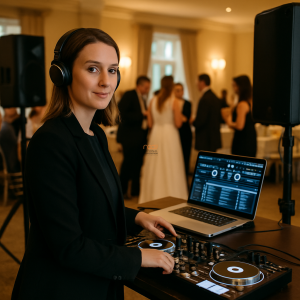
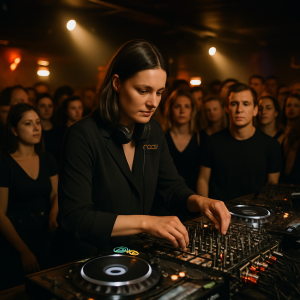
Use a professional photo that represents you well. It should be recent, well lit and appropriate for the type of work you do. A clean headshot or branded DJ image often works better than a dark shot from a crowded dancefloor. Remember that many users browse quickly on mobile, so your image should still read well at a glance.
4. Write a short but useful bio
Your bio should explain what you do, who you work with and what clients can expect. Focus on facts. Mention your experience, event types, music style and any relevant services such as microphone hosting, lighting or karaoke if they genuinely form part of your offering. Keep the tone professional and avoid overpromising.
How to maximise your profile once you are listed
Keep it updated
An outdated profile can quickly weaken trust. Review your listing regularly and update your contact details, service areas, branding and links when anything changes. If you expand into new cities or counties, make sure that is reflected accurately. A DJ in the Midlands may also take bookings across nearby areas, but clients should not have to guess where you work.
Link your directory presence to your wider online setup
Your directory listing should support your wider digital footprint, not sit on its own. Use it alongside your website, social media and any other professional pages. If you are working on your online presence more broadly, the NADJ Media Ltd site is worth exploring, as it reflects some of the wider services available through the organisation.
You can also strengthen your visibility by ensuring your website and directory profile tell the same story. Keep your branding, wording and service details consistent. That consistency helps prospective clients recognise you and reduces confusion.
Use the gig listings and other member resources
The directory is only one part of the picture. Members should also look at the gig listings area and the NADJ Hub for wider professional support, where relevant. These tools can help you stay informed about opportunities, trends and sector developments. The more active and informed you are, the more value you are likely to get from your membership.
Present evidence of professionalism where appropriate
Depending on the work you do, it may be useful to mention relevant training, event experience or operating standards. For example, some DJs choose to highlight completed training or industry knowledge. If you are considering skills development, the top 10 DJ training courses UK 2026 article may be a useful starting point.
Where insurance is relevant to your work, it is sensible to be clear and accurate. NADJ has guidance on DJ public liability insurance, but you should always check live terms, cover levels and suitability for your own business before making any claims in your profile.
What makes a profile stand out?
In practice, the best directory profiles tend to be the ones that are easiest to understand. They answer the key questions fast: who are you, what do you do, where do you work, and how can someone book you? That matters whether you are targeting clients in Nottingham or venue contacts in Glasgow.
Avoid using hype without substance. Phrases like “the best DJ in the UK” or “guaranteed to fill any dancefloor” do not help a client make a decision. Instead, use specific language: event types, music policy, equipment, location and years of experience. Clear information builds trust, and trust supports enquiries.
Final checks before you submit
Before you publish or renew your listing, read it as a client would. Is it easy to contact you? Is the wording clear? Are your links working? Have you accidentally left in old phone numbers, outdated branding or a missing service area? Small details make a big difference.
If you want the NADJ DJ Directory to work for you, treat it as part of your professional identity. Keep it current, make it concise and give clients enough information to take the next step. In a competitive UK market, that practical approach can help your profile stand out for the right reasons.




 Avtar Thethy
 Fabio Capozzi
 Alastair Craig
 Dave Mills