

The UK Government has launched a consultation on what it describes as the biggest overhaul of marriage law in almost 200 years. If the proposals become law, couples in England and Wales could soon have far greater freedom over where they legally marry, opening up exciting new opportunities for the wedding industry.
More Choice for Couples
At present, legal marriage and civil partnership ceremonies must take place at approved venues. Under the proposed reforms, the focus would shift from licensing venues to authorising registered officiants, meaning couples could legally marry in a much wider range of locations.
Potential venues could include:
- Private homes
- Pubs and restaurants
- Beaches
- Historic buildings
- Cruise ships
- Gardens and other outdoor spaces
The aim is to make weddings more personal, more accessible and, in many cases, more affordable.
Maintaining the Dignity of Marriage
While the proposals would offer significantly greater flexibility, the Government has made clear that marriage ceremonies must still maintain an appropriate level of dignity.
Activities such as skydiving, white-water rafting or taking place on amusement rides are unlikely to be permitted. However, light-hearted moments remain perfectly acceptable, including personal readings, live music or guests joining in with a favourite song, provided the ceremony remains respectful.
The consultation also suggests that food, drink and alcohol should not be casually consumed during the legal ceremony itself.
Other Proposed Changes
The consultation includes several additional reforms that could modernise weddings in England and Wales:
- Non-religious belief organisations, including Humanists, could conduct legally recognised weddings.
- Civil ceremonies may be allowed to include certain religious readings or references.
- The key legal requirements would simply be giving consent and signing the marriage schedule in the presence of an authorised officiant.
What This Could Mean for the Wedding Industry
For wedding venues, celebrants, DJs and other suppliers, these proposals could significantly expand the range of events taking place outside traditional licensed venues.
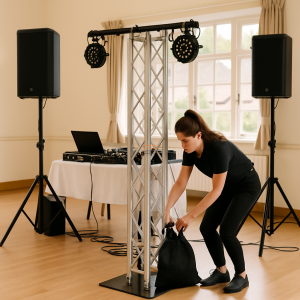
Private estates, gardens, pubs, village halls and even family homes could all become legal ceremony locations, potentially increasing demand for mobile entertainment, sound systems, lighting and other wedding services.
While outdoor ceremonies became legal at licensed venues in 2021, these reforms would go much further by removing the requirement for the venue itself to hold a marriage licence.
What Happens Next?
The consultation remains open until 24 September 2026. Following feedback, the Government will decide whether to introduce new legislation. If approved by Parliament, the changes are unlikely to take effect before 2027.
With the average UK wedding now costing almost £22,000, ministers say the reforms are intended to give couples greater flexibility, reduce barriers and better reflect how modern weddings are celebrated today.
NADJ will continue to monitor developments and provide updates as the consultation progresses and further details are announced.




 Avtar Thethy
 Fabio Capozzi
 Alastair Craig
 Dave Mills