
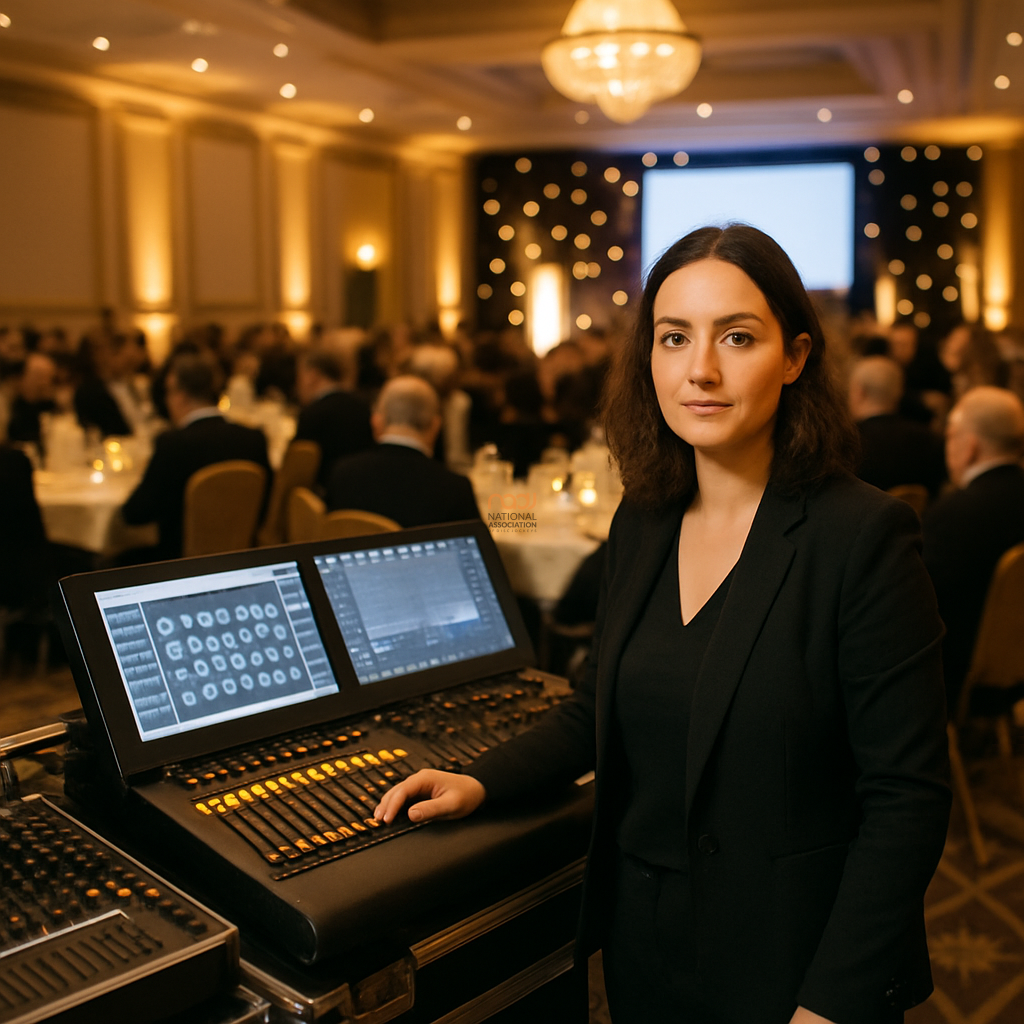
Awards events with lasting impact are increasingly being judged on more than the moment a winner’s name is read out. New coverage in the wider events trade has highlighted a familiar truth for organisers: the ceremony itself may last a few hours, but the impression it leaves can shape how attendees remember the brand, the sector and the people behind the event.
That matters because an awards night is not simply a list of categories and applause cues. It is a carefully built experience. From the arrival sequence and room layout to sound, lighting, staging and timing, every detail contributes to whether the event feels polished, credible and worth attending.
What the story is really about
The article points to the work that happens behind the scenes long before any presenter steps on stage. The best awards events are planned as a complete guest journey: first impressions on entry, smooth flow between segments, and a closing moment that feels genuinely earned rather than rushed. In practice, that means organisers are designing for atmosphere, engagement and memory as much as for logistics.
For the wider events industry, this is a useful reminder that the value of an awards night often extends beyond one evening. A strong event can reinforce community, raise standards, and support future attendance or sponsorship. A weak one, by contrast, can undermine all of that in a matter of minutes.
Why this matters to UK DJs and event suppliers
For DJs, production companies, venues and technical crews across the UK, the message is straightforward: awards events depend on reliable delivery. Sound reinforcement, music cues, microphones, walk-on timing and crowd energy all need to work together. In cities such as London, Manchester, Birmingham, Leeds, Bristol, Cardiff, Glasgow, Liverpool, Nottingham, Leicester and Coventry, that level of coordination is often what separates a routine function from a memorable industry night.
That does not mean every supplier needs to reinvent the format. It does mean understanding that clients increasingly want events that feel considered, not generic. For working DJs, that can translate into a greater emphasis on clear briefs, disciplined cueing and confidence handling formal moments.
A note on the wider industry picture
For NADJ, this kind of coverage is useful because it reflects the professional standards the UK DJ sector works towards every day. Good presentation, dependable performance and audience awareness are not optional extras; they are part of delivering a credible event experience. If you want to keep tabs on the wider professional ecosystem, the NADJ directory and NADJ Hub are practical places to start.
As ever, organisers and suppliers should check event-specific requirements directly with clients and venues, particularly where timings, access, technical specifications or licensing issues are involved.
AI transparency note
NADJ uses artificial intelligence as an editorial assistant. Articles produced through this publisher begin with a human-selected idea, source, brief or editorial direction, and AI may be used to research, structure, draft or improve the wording. AI does not set NADJ editorial policy or operate free-range: people acting for NADJ set the instructions and publishing framework, monitor the output and retain editorial responsibility.
Images used by NADJ may include stock photography or AI-generated visuals where appropriate. NADJ is volunteer-led and editorial time is limited; much of our available time is currently absorbed by governance and management, a substantial data audit and membership-system transfer, and planning 12 Tea & Test days across the UK. You can help strengthen member-led content by sending article ideas or completed submissions to hello@nadj.org.uk.









 Avtar Thethy
 Fabio Capozzi
 Alastair Craig
 Dave Mills