
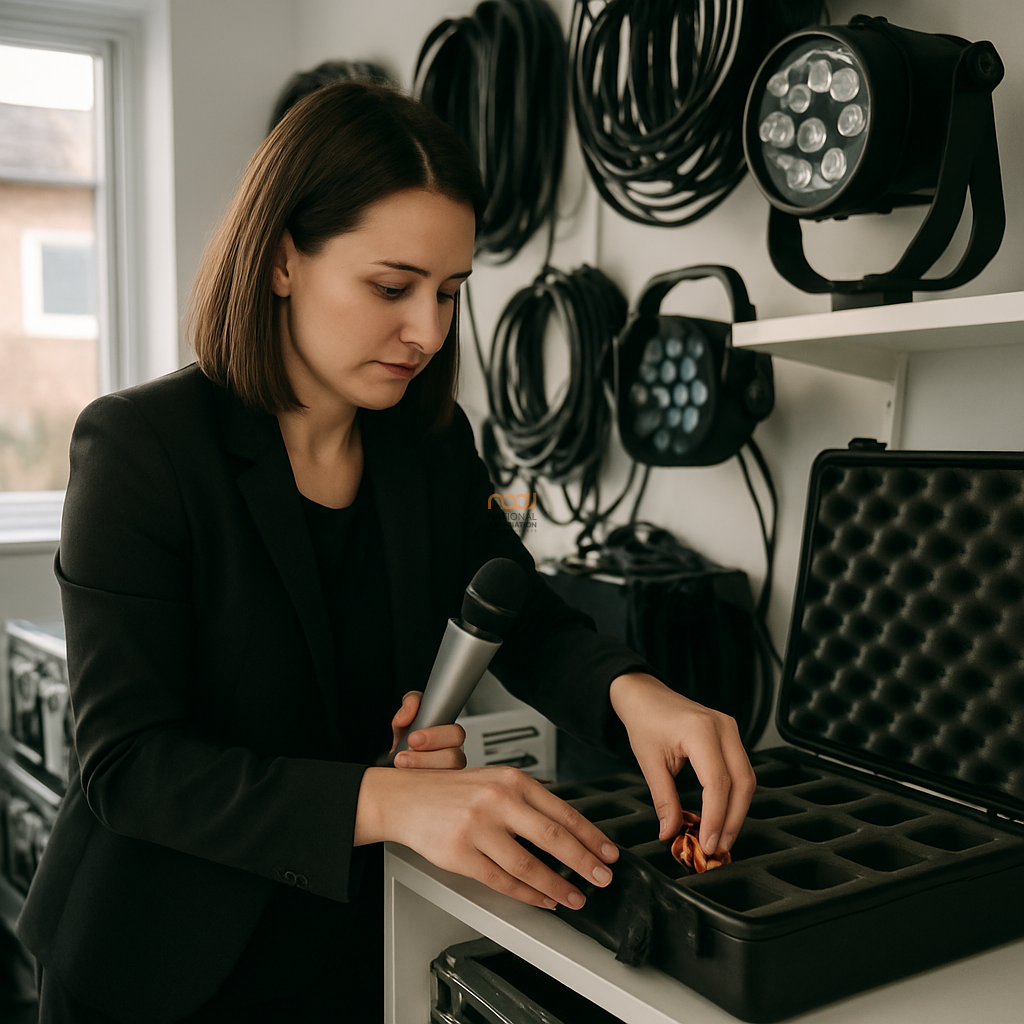
If you use wireless microphones, battery-powered uplights, portable speakers, or other rechargeable gear, it is important to store lithium batteries safely between DJ events. For working DJs across the UK, from Birmingham and Leeds to Cardiff, Glasgow, Liverpool, Nottingham, Leicester and Coventry, good storage habits help protect your equipment, reduce avoidable damage, and support safer day-to-day operation.
Lithium batteries are widely used because they are compact and powerful. However, they can be damaged by heat, impact, overcharging, moisture, or poor handling. The aim is not to treat every battery as dangerous, but to store and transport it in a sensible, consistent way. As with any technical guidance, always follow the manufacturer’s instructions for your specific battery or device, as requirements can vary.
Why safe storage matters for DJs
Many DJs now rely on battery-powered kit for weddings, corporate work, outdoor events, and flexible setups where mains power is limited. That convenience comes with responsibility. Batteries that are stored carelessly may deteriorate faster, become physically damaged, or present a risk if terminals are shorted by keys, cables, or other metal items in a case.
Safe storage also helps with reliability. A battery that is looked after properly is more likely to hold charge, perform predictably, and remain ready for your next booking. That is especially important when you are moving quickly between venues in England, Scotland, Wales or Northern Ireland and need your kit to work without drama.
Store batteries at the right charge level
One of the simplest ways to store lithium batteries safely is to avoid leaving them fully flat or fully charged for long periods unless the manufacturer recommends it. Many battery makers advise storing cells at a partial charge, often around the middle of the range, rather than at 0% or 100% for extended periods.
This is not a universal rule for every battery type, so check the manual for your equipment. If you run a mobile rig and then leave it untouched for weeks, create a process for setting batteries into their recommended storage state before packing away the kit.
Use a cool, dry, and stable environment
Heat is one of the biggest enemies of battery life. Avoid leaving lithium batteries in hot cars, near radiators, by boilers, in direct sunlight, or in venues where kit stores get very warm. Excessive cold is not ideal either, especially if batteries are moved straight from storage into immediate use without time to adjust.
A cool, dry indoor location is usually best. A dedicated equipment cupboard, flight case shelf, or labelled storage box can work well if the area is free from damp and away from combustible materials. For DJs in cities such as London or Manchester, where kit may be stored in compact flats or shared spaces, it is even more important to keep batteries separate from clutter and heat sources.
Prevent physical damage and short circuits
Lithium batteries should be protected from impact and crushing. Do not throw loose batteries into a flight case with microphones, adapters, coins, or spare cables. Use the original packaging if available, or a purpose-made battery case, padded container, or insulated pouch.
If the battery has exposed terminals, cover them as the manufacturer advises. Keeping batteries in separate compartments reduces the chance of accidental contact between terminals and metal objects. This is especially important when you are loading and unloading at speed after a late finish in places such as Bristol, Birmingham, or Glasgow.
Check batteries regularly
Before each event, and again when you return home, inspect batteries for signs of swelling, leakage, unusual odour, corrosion, cracks, or heat damage. If a battery looks damaged or behaves abnormally, stop using it and follow the manufacturer’s guidance. Do not attempt to open, repair, puncture, or dismantle a lithium battery yourself.
It is sensible to build battery checks into your setup routine in the same way you would test leads, stands, and lighting fixtures. NADJ encourages DJs to use structured maintenance habits across their kit, because preventive checks are usually simpler than dealing with faults at a gig.
Keep batteries out of reach of moisture and contaminants
Moisture can damage both the battery and the device it powers. Store batteries away from cleaning liquids, drinks, condensation, and damp floors. If you return from a wet outdoor event, allow kit to dry naturally in a safe place before repacking it.
Never store batteries in a container where they can be exposed to dust, spray, or spilled liquid. A dry equipment room is better than a garage or shed that swings between temperature extremes. If you are unsure whether a storage environment is suitable, choose the more stable option.
Separate charged, discharged, and damaged items
A practical storage system helps keep your workflow tidy. Label containers so you can separate batteries that are ready for use from those that need charging, testing, or retirement. This is useful for DJs running multiple events a week, especially if you are managing different units for lighting, microphones, and portable sound.
If a battery is damaged, isolated, or behaving strangely, remove it from service immediately and store it separately according to manufacturer instructions until you can arrange proper disposal. Do not place suspect batteries back into general stock.
Think about transport as part of storage
For many DJs, storage and transport are closely linked. A battery that is safe at home may still be vulnerable in transit if it is rattling around in a van or car boot. Use cases or padded boxes that stop movement, and avoid stacking heavy items on top of battery packs.
If you travel regularly between gigs in the Midlands, the North West, Scotland, Wales or Northern Ireland, consistency matters. A repeatable packing routine helps protect your equipment and reduces the chance of forgetting a battery in a hot vehicle overnight.
Plan for disposal and end-of-life batteries
All batteries eventually reach the end of their useful life. Do not bin lithium batteries with general waste. Local recycling and household waste rules can differ across the UK, so check your council’s current guidance or the venue’s disposal options where relevant.
Because regulations and collection arrangements can change, it is wise to check live local information before you travel with or dispose of old batteries. A cautious, up-to-date approach is always better than assuming the same process applies everywhere.
Make battery safety part of your wider DJ business routine
Safe battery storage should sit alongside the rest of your professional housekeeping. That includes equipment checks, case management, insurance awareness, and keeping your business visible to clients and venues. If you are reviewing your broader setup, you may also find NADJ’s membership tiers explained useful, especially if you want to compare the support available to working DJs.
For business visibility and networking, the NADJ directory and gig listings can help you stay connected with the industry. If you are also researching kit choices, our guide to the top 10 DJ mixers for mobile wedding DJs in 2026 may be a useful companion read. You can also explore resources via NADJ Hub and learn more about the organisation at nadj.co.uk.
Final checklist for storing lithium batteries safely
- Follow the manufacturer’s storage guidance for each battery type.
- Store batteries in a cool, dry, stable place.
- Keep them away from heat, moisture, and direct sunlight.
- Protect terminals and prevent contact with metal objects.
- Inspect batteries regularly for swelling, damage, or overheating.
- Separate batteries that are charged, flat, or suspect.
- Dispose of end-of-life batteries through appropriate local routes.
Good battery storage is not complicated, but it does require discipline. For DJs, that discipline protects kit, supports smoother events, and reduces avoidable risk. If you want more guidance on professional standards, equipment care, and working practices in the UK DJ industry, NADJ is here to support you.
AI transparency note
NADJ uses artificial intelligence as an editorial assistant. Articles produced through this publisher begin with a human-selected idea, source, brief or editorial direction, and AI may be used to research, structure, draft or improve the wording. AI does not set NADJ editorial policy or operate free-range: people acting for NADJ set the instructions and publishing framework, monitor the output and retain editorial responsibility.
Images used by NADJ may include stock photography or AI-generated visuals where appropriate. NADJ is volunteer-led and editorial time is limited; much of our available time is currently absorbed by governance and management, a substantial data audit and membership-system transfer, and planning 12 Tea & Test days across the UK. You can help strengthen member-led content by sending article ideas or completed submissions to hello@nadj.org.uk.









 Avtar Thethy
 Fabio Capozzi
 Alastair Craig
 Dave Mills