
How DJs Can Work With Celebrants During Non-Traditional Wedding Ceremonies
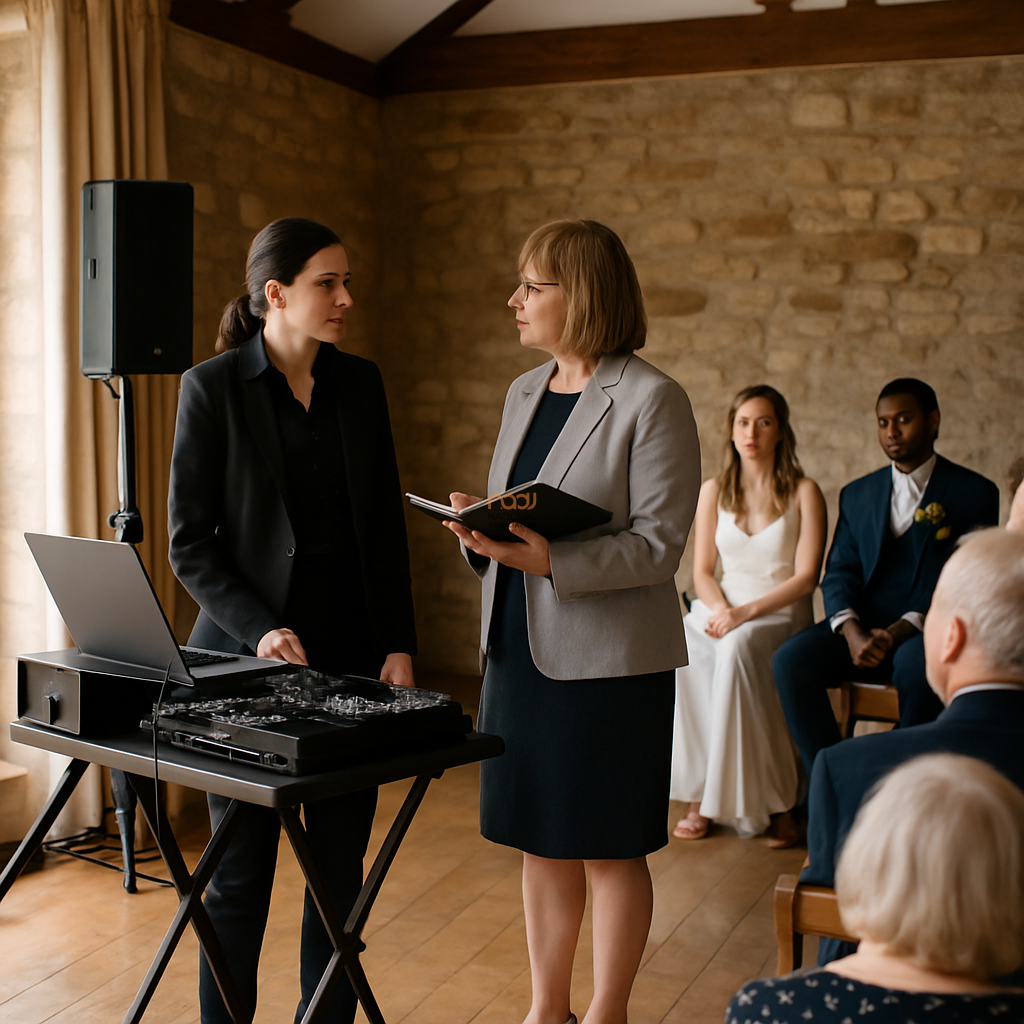
Non-traditional weddings often rely on close coordination between the DJ and the celebrant. Here is a practical NADJ guide to timing, communication, equipment, and professional etiquette.
Working Near Temporary Staging: What Mobile DJs Should Check Before Setup
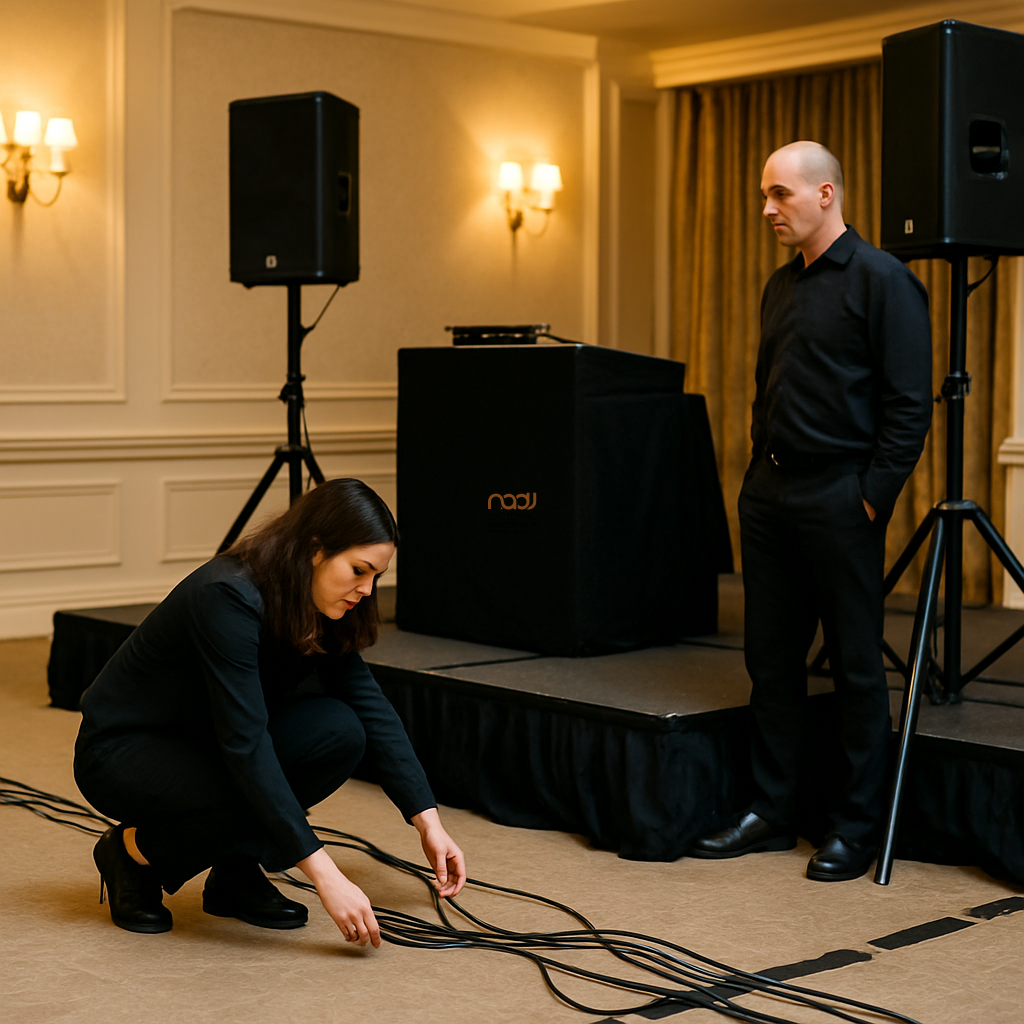
Working near temporary staging brings extra risks for mobile DJs, from unstable access routes to overhead loads and last-minute layout changes. Before you unload, check the stage, the power, the cable routes and who is responsible for the setup.
How to Organise Explicit and Clean Versions So You Never Play the Wrong One
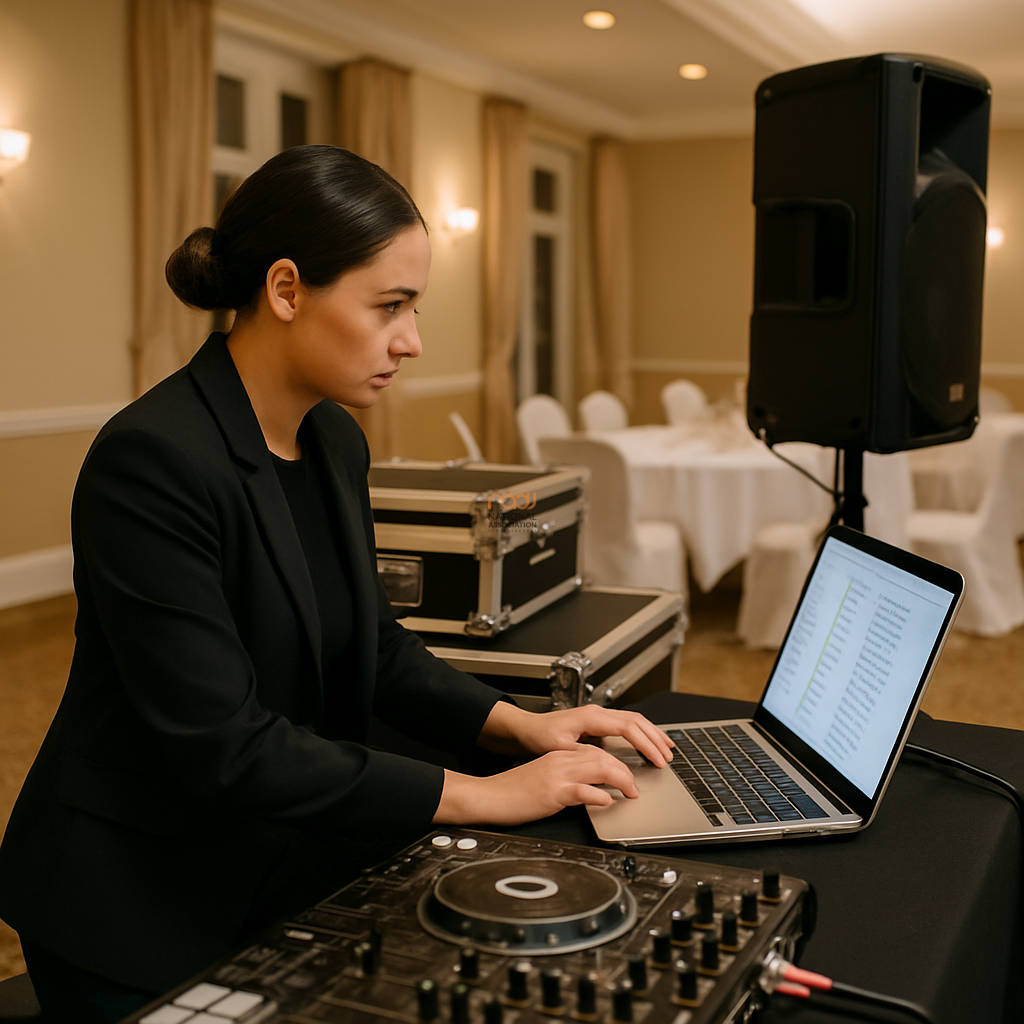
If you organise explicit and clean versions properly, you reduce mistakes, save time and protect your reputation on the night. Here’s a practical system working UK DJs can use across weddings, clubs and private events.
Late Night Refreshment and Regulated Entertainment: A DJ’s Guide to UK Law
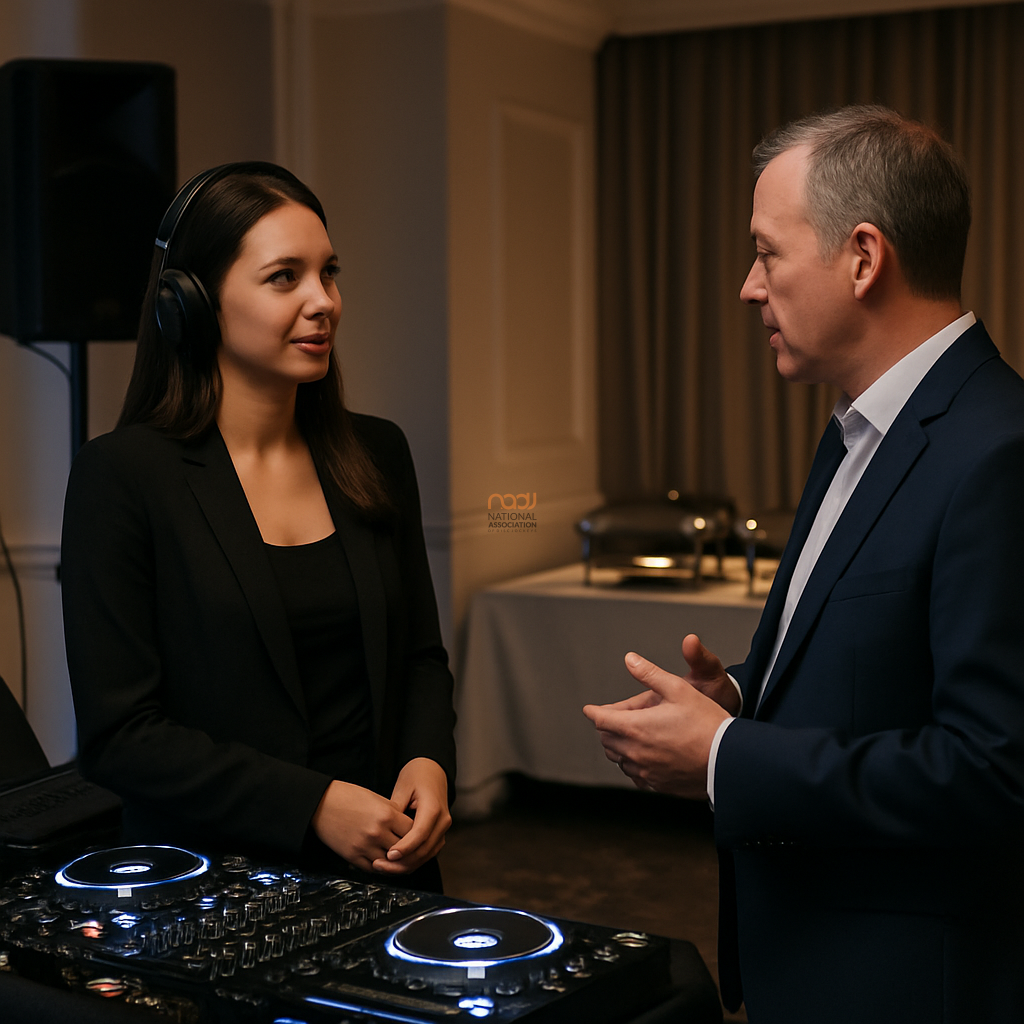
For UK DJs, late night refreshment and regulated entertainment are two terms that often appear in venue paperwork, event briefs and licence discussions. Understanding what they mean helps you work more confidently with venues, promoters and clients across the UK.
How Wedding DJs Handle Drunk Guests and Awkward Requests Professionally
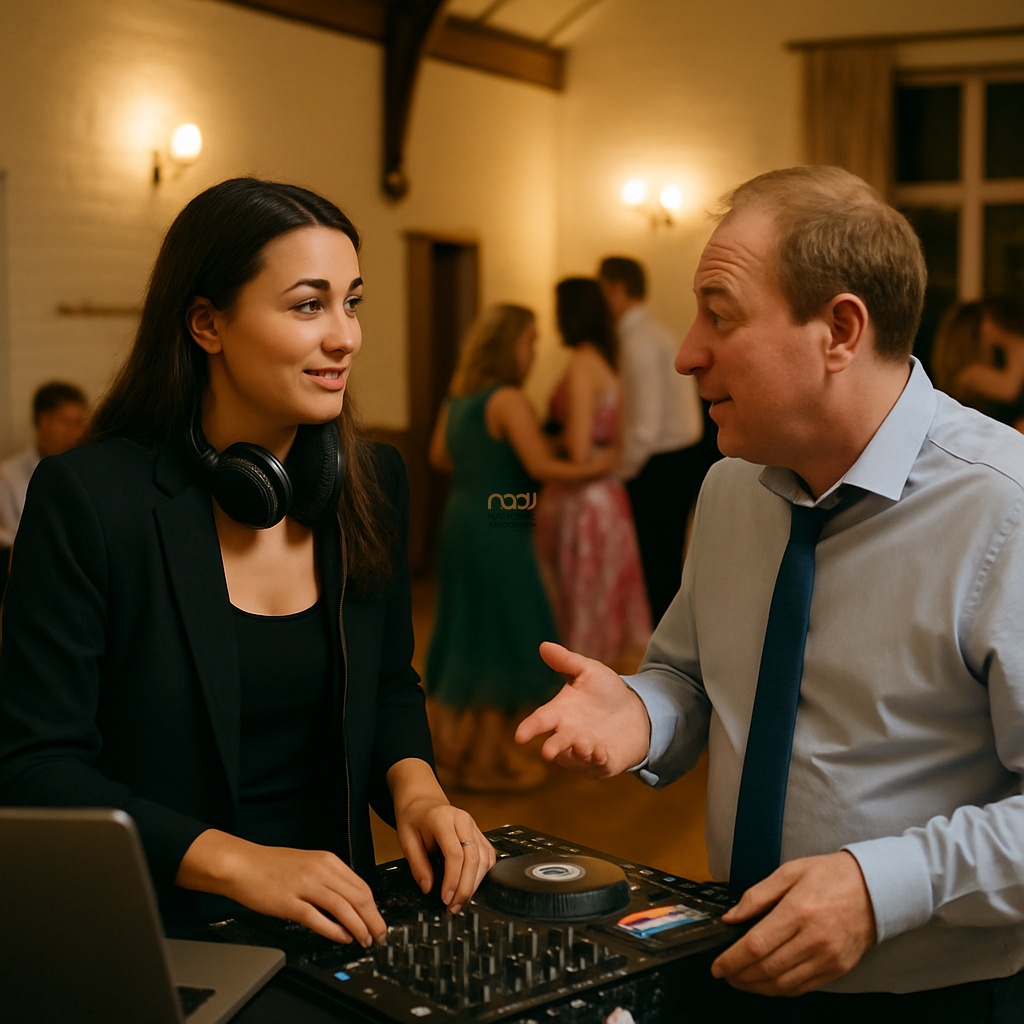
How wedding DJs handle drunk guests and awkward requests is as much about calm communication as it is about music selection. Here’s a practical UK guide to staying professional, protecting the atmosphere, and keeping the night moving.
Mixer Gain Structure for Mobile DJs: Setting Headroom Before the Room Fills
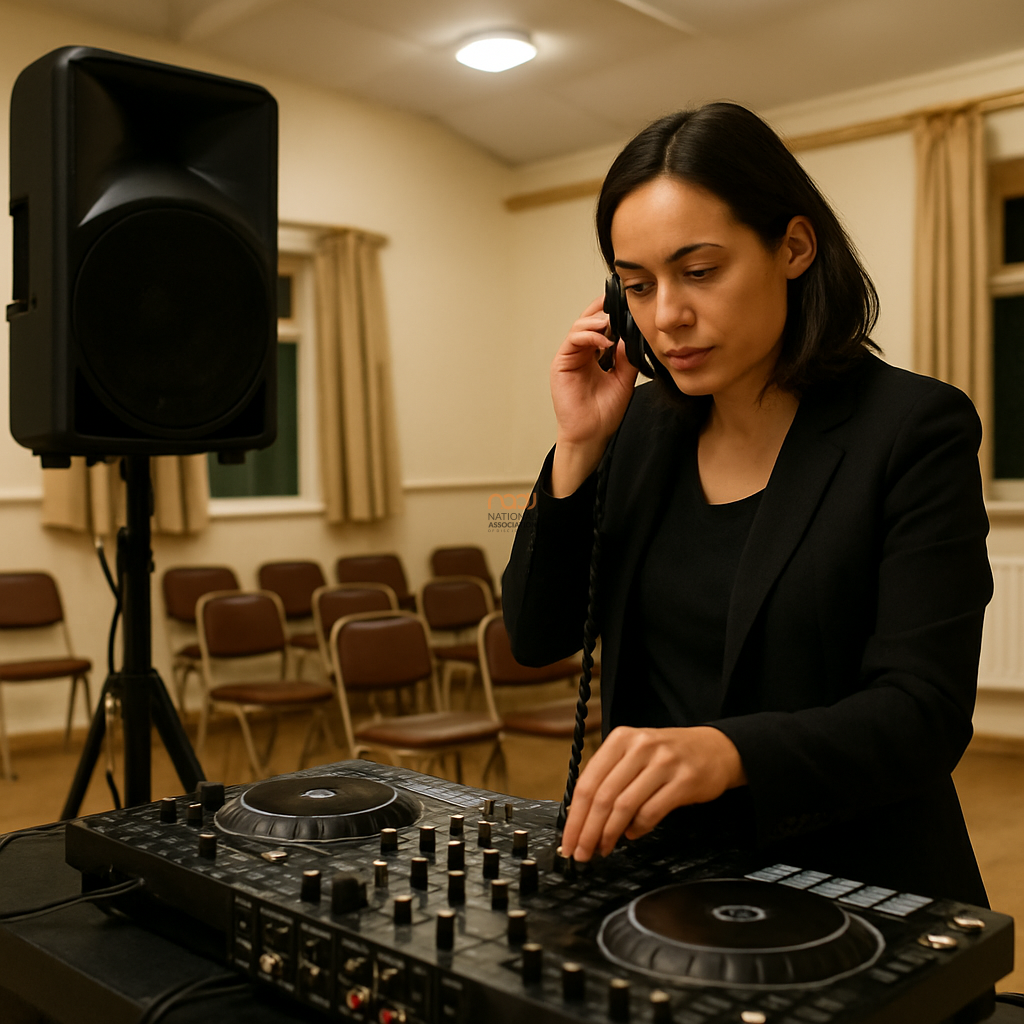
Good mixer gain structure for mobile DJs is one of the easiest ways to protect sound quality, reduce distortion and keep your system working efficiently as the room fills. Here is a practical NADJ guide to setting sensible headroom before the first guests arrive.
Heat Build-Up in DJ Flight Cases and Booths: How to Protect Electronics During Long Events
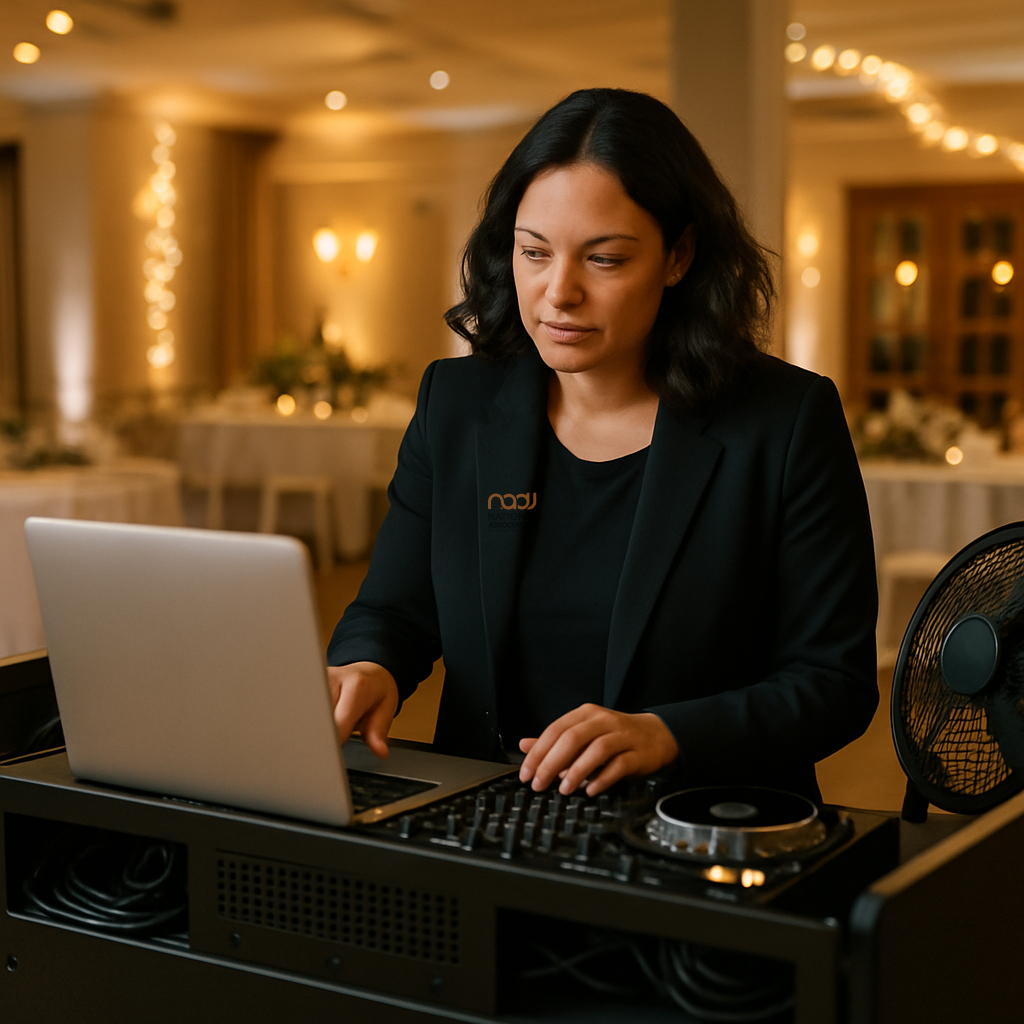
Heat build-up in DJ flight cases and booths is a real issue at long events, particularly in compact setups with little airflow. Here’s how working DJs in the UK can reduce risk and keep electronics performing reliably.
When a DJ Should Stop the Music for Safety: A Practical Guide for UK DJs
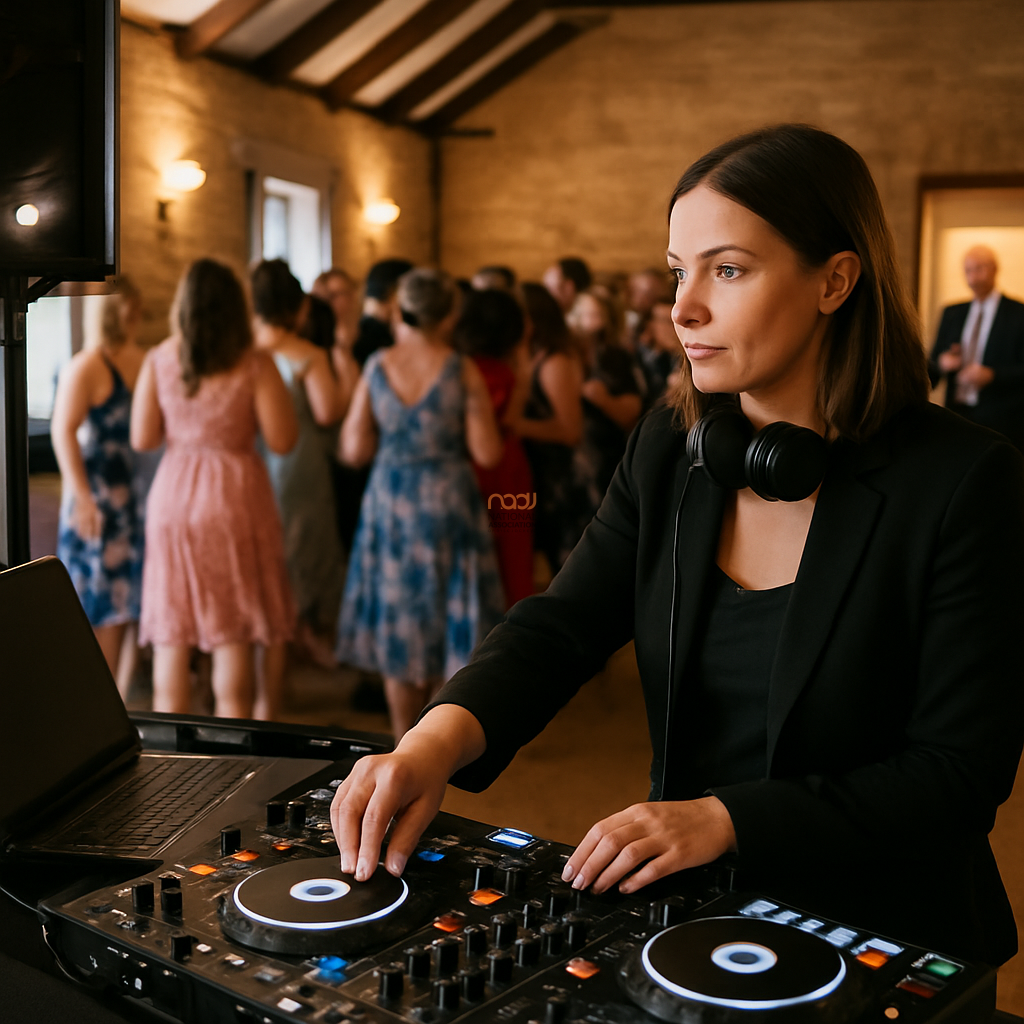
Knowing when a DJ should stop the music for safety is part of professional judgement, not overreaction. In busy venues across the UK, the safest decision is often to pause, assess, and reset before continuing.
How to Handle a Wedding Reception Running 90 Minutes Late Without Losing the Dancefloor

A wedding reception running 90 minutes late can derail timings, but it does not have to kill the party. With calm communication, flexible programming and the right musical decisions, DJs can protect the dancefloor and the client experience.
How to Handle a Medical Emergency at a DJ Event

A medical emergency at a DJ event can happen without warning, from fainting and dehydration to seizures or a suspected cardiac arrest. UK DJs should know how to stay calm, raise the alarm and support first aiders until help arrives.
 Avtar Thethy
 Fabio Capozzi
 Alastair Craig
 Dave Mills