
Using Sandbags and Ballast Safely for Temporary DJ Structures
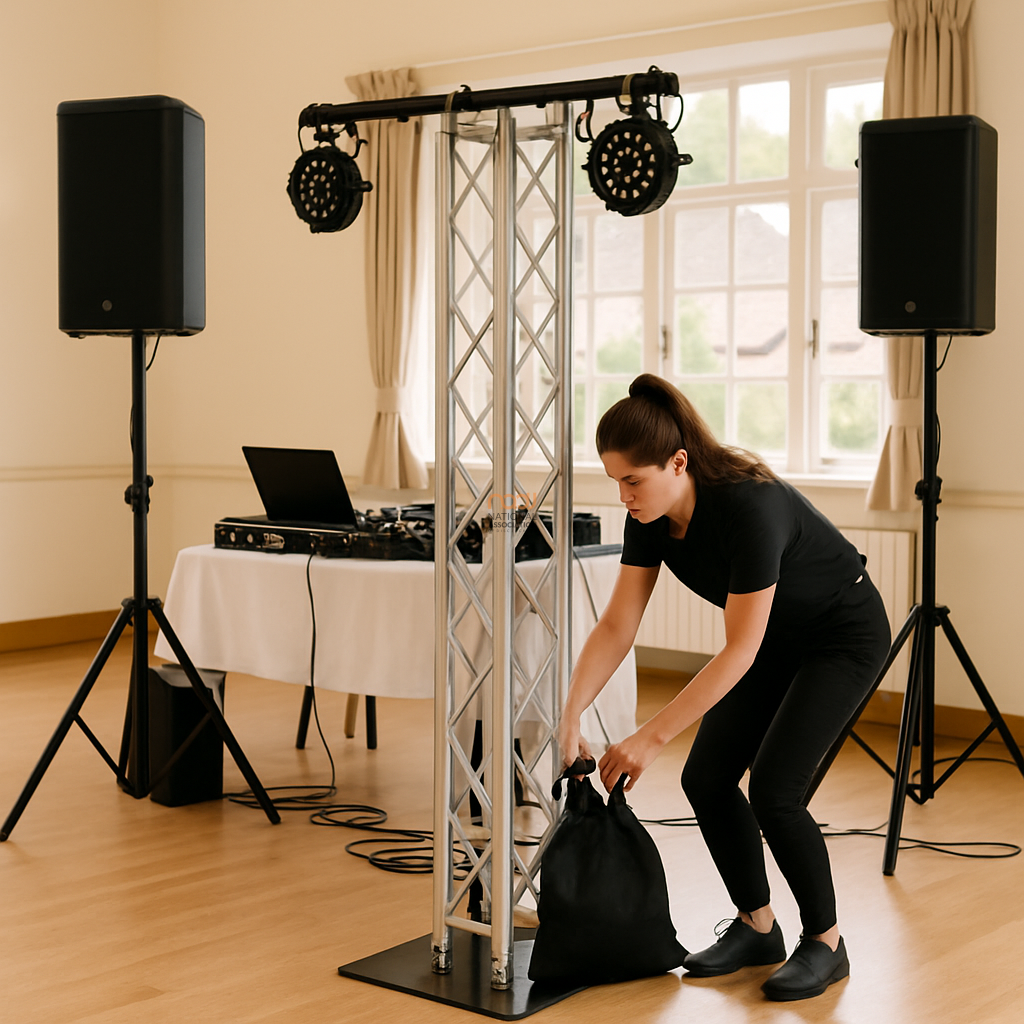
Temporary DJ structures need proper stability, especially at UK weddings, corporate events and outdoor shows. This guide explains how to use sandbags and ballast safely, what to check before setup, and when to bring in a competent structural or hire specialist.
Safe Speaker Placement Around Children, Wheelchairs and Busy Walkways
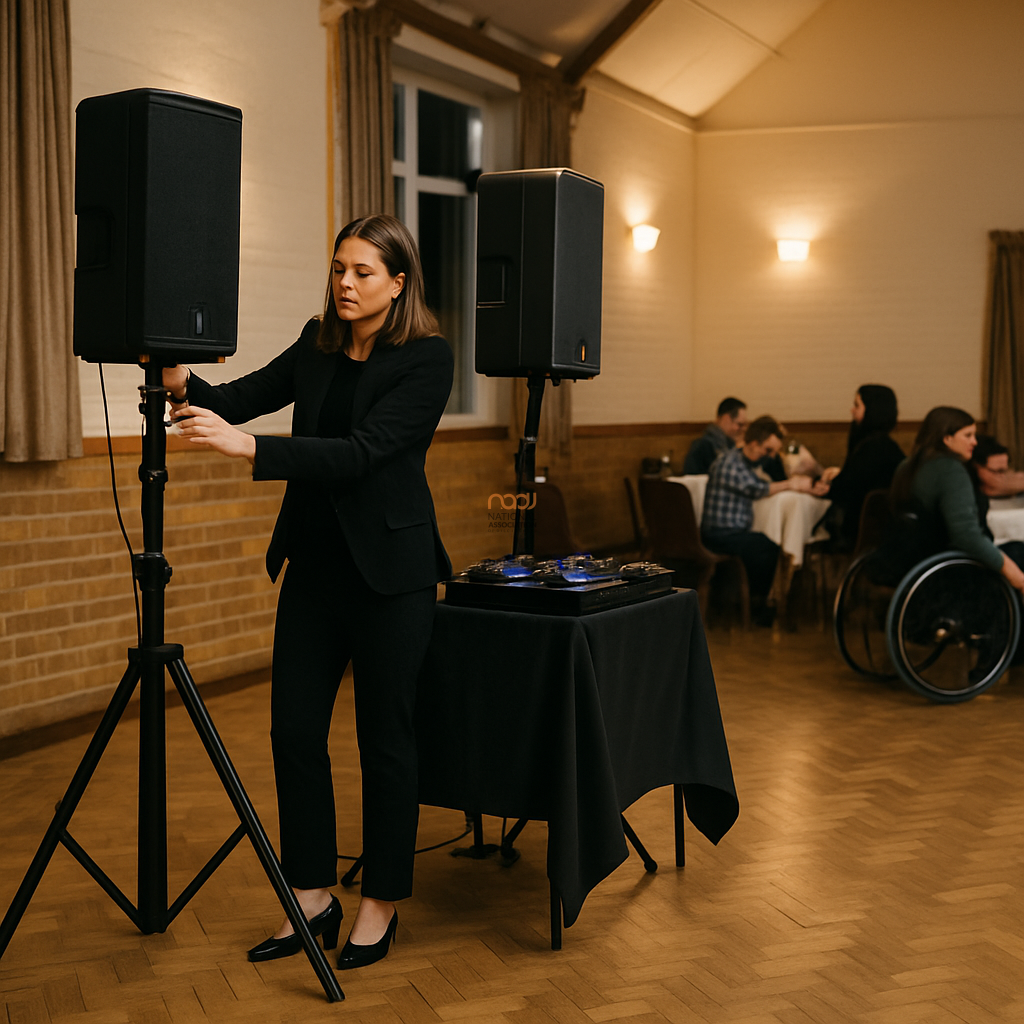
Safe speaker placement is a basic part of professional DJ practice, especially in venues with children, wheelchair users and high footfall. This guide explains how to reduce trip, crush and obstruction risks while keeping your rig practical and effective.
Why DJs Should Keep Incident Records Even When Nobody Makes a Claim
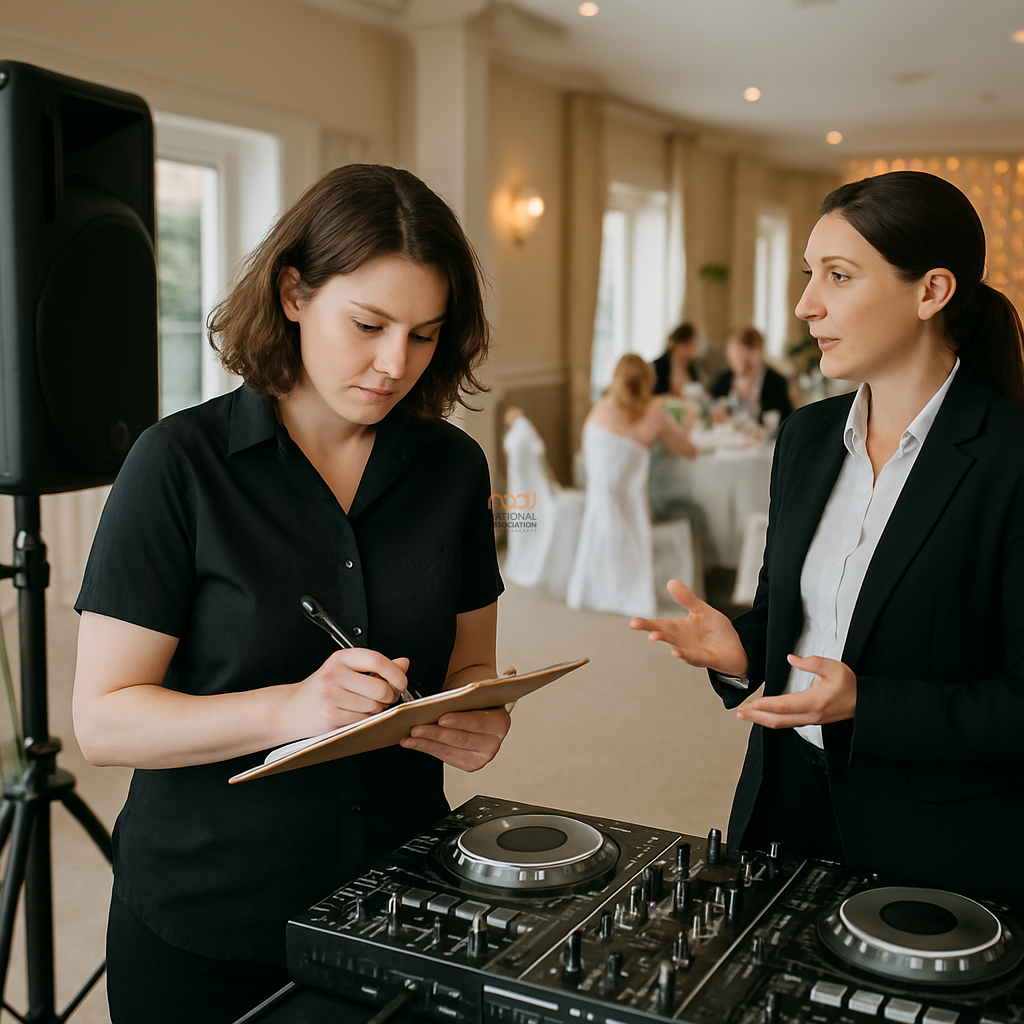
Keeping incident records for DJs is not about expecting trouble; it is about running a professional operation. A clear log can help you spot patterns, support your own account of events, and improve how you work across weddings, parties and corporate events.
DJ Setup Areas Near Fire Doors: What Must Stay Clear
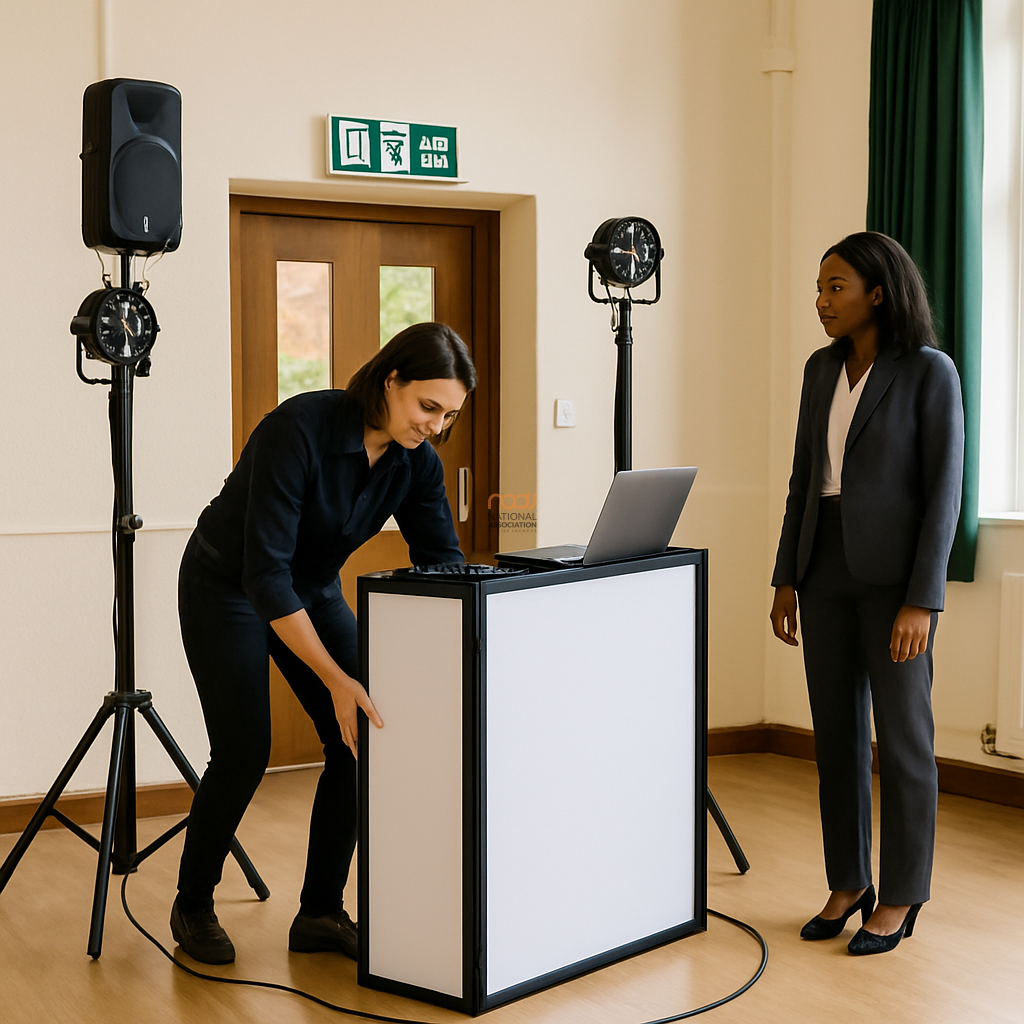
DJ setup areas near fire doors need careful planning. A clear route, a fully usable door, and no cables or equipment in the way are basic essentials for safe, professional working practice.
Preventing Speaker Tripod Collapse on Uneven Floors: Practical Safety Advice for UK DJs
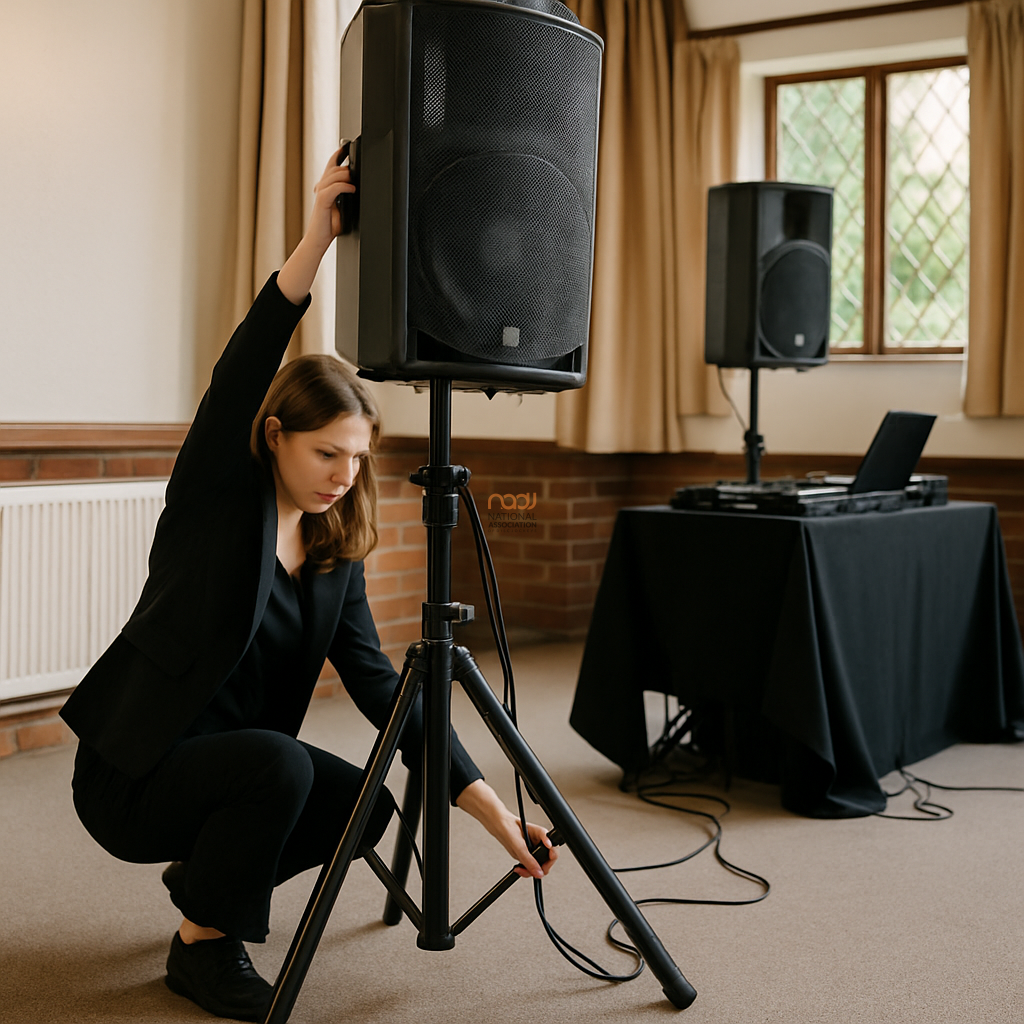
Uneven floors are a common setup challenge for mobile DJs, especially in village halls, converted venues and temporary event spaces. Here is practical guidance to help reduce the risk of speaker tripod collapse on uneven floors and keep your rig stable.
What DJs Should Do When a Venue Socket Looks Damaged or Unsafe
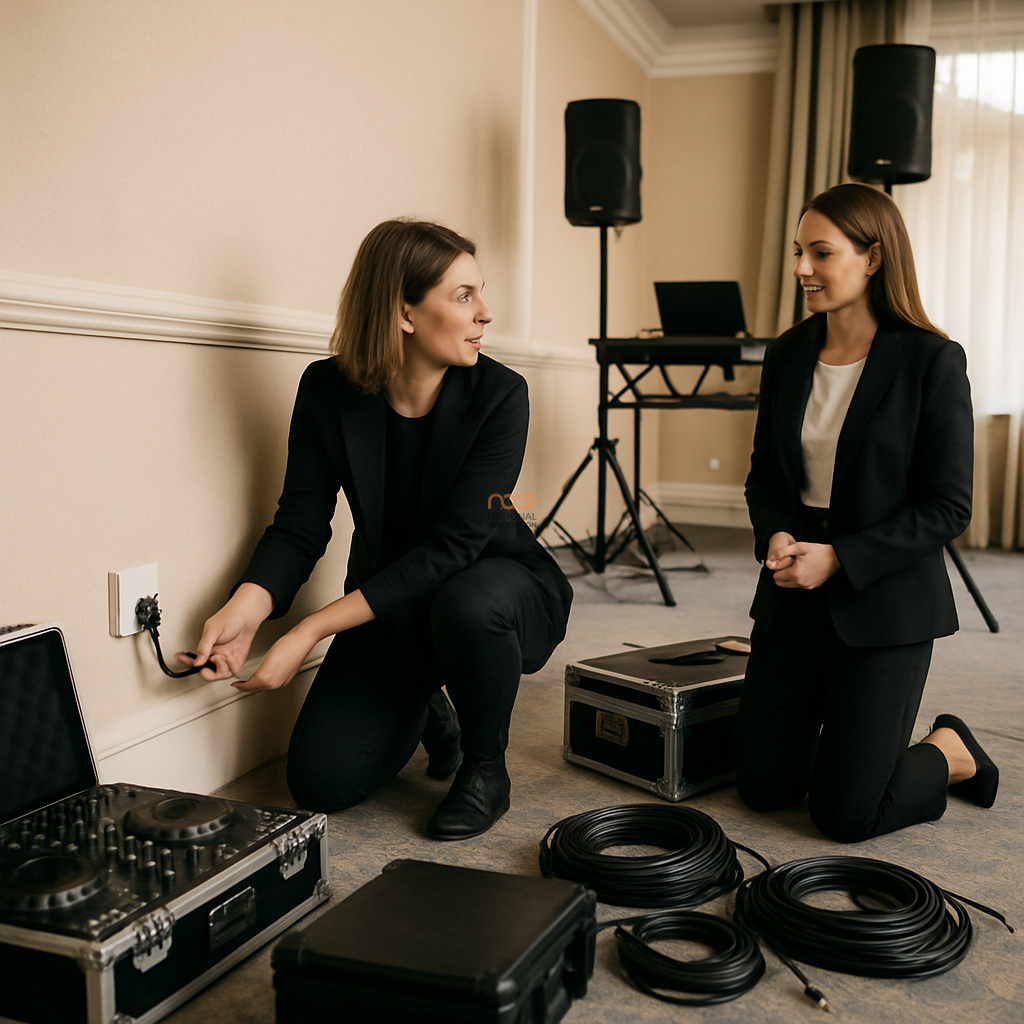
If a damaged venue socket looks unsafe, a DJ should stop, assess the risk and avoid using it until it has been checked properly. This guide explains the practical steps working DJs across the UK can take to protect themselves, their gear and their clients.
Safe Use of Cable Ramps at Weddings and Corporate Events: Practical Guidance for Mobile DJs
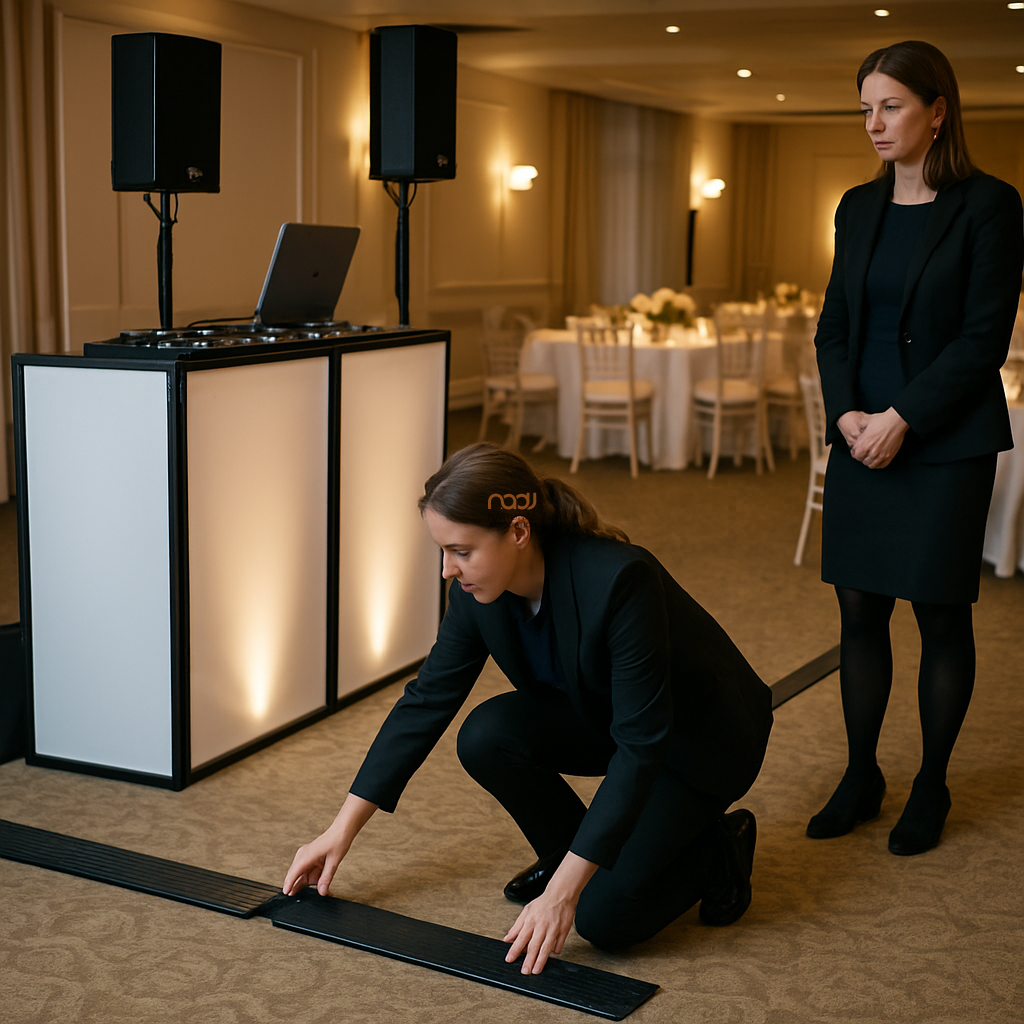
Cable ramps are a simple way to reduce trip risks at weddings and corporate events, but only if they are chosen, placed and maintained correctly. Here is practical guidance for UK DJs working in real venues from hotel ballrooms to village halls and conference spaces.
Trip Hazards Behind the DJ Booth: The Area Guests Never See but DJs Still Get Wrong

Trip hazards behind the DJ booth are one of the most common and most overlooked setup risks for mobile and venue DJs. Here’s how to spot the dangers, organise your cables and work more safely at gigs across the UK.
DJ Load-Out Safety After Midnight: Fatigue, Lighting and Vehicle Access

Late-night load-outs are part of mobile DJ life, but they are also when fatigue, poor lighting and restricted vehicle access can combine into avoidable risk. Here is a practical UK-focused guide to safer end-of-night pack-downs.
How to Handle a Medical Emergency at a DJ Event

A medical emergency at a DJ event can happen without warning, from fainting and dehydration to seizures or a suspected cardiac arrest. UK DJs should know how to stay calm, raise the alarm and support first aiders until help arrives.
 Avtar Thethy
 Fabio Capozzi
 Alastair Craig
 Dave Mills